
The history of the Diamondstein family going back to 1770 and ending just before the letters begin, in 1901.
The Founding Generation — Zev Wulf (c. 1770–1839)
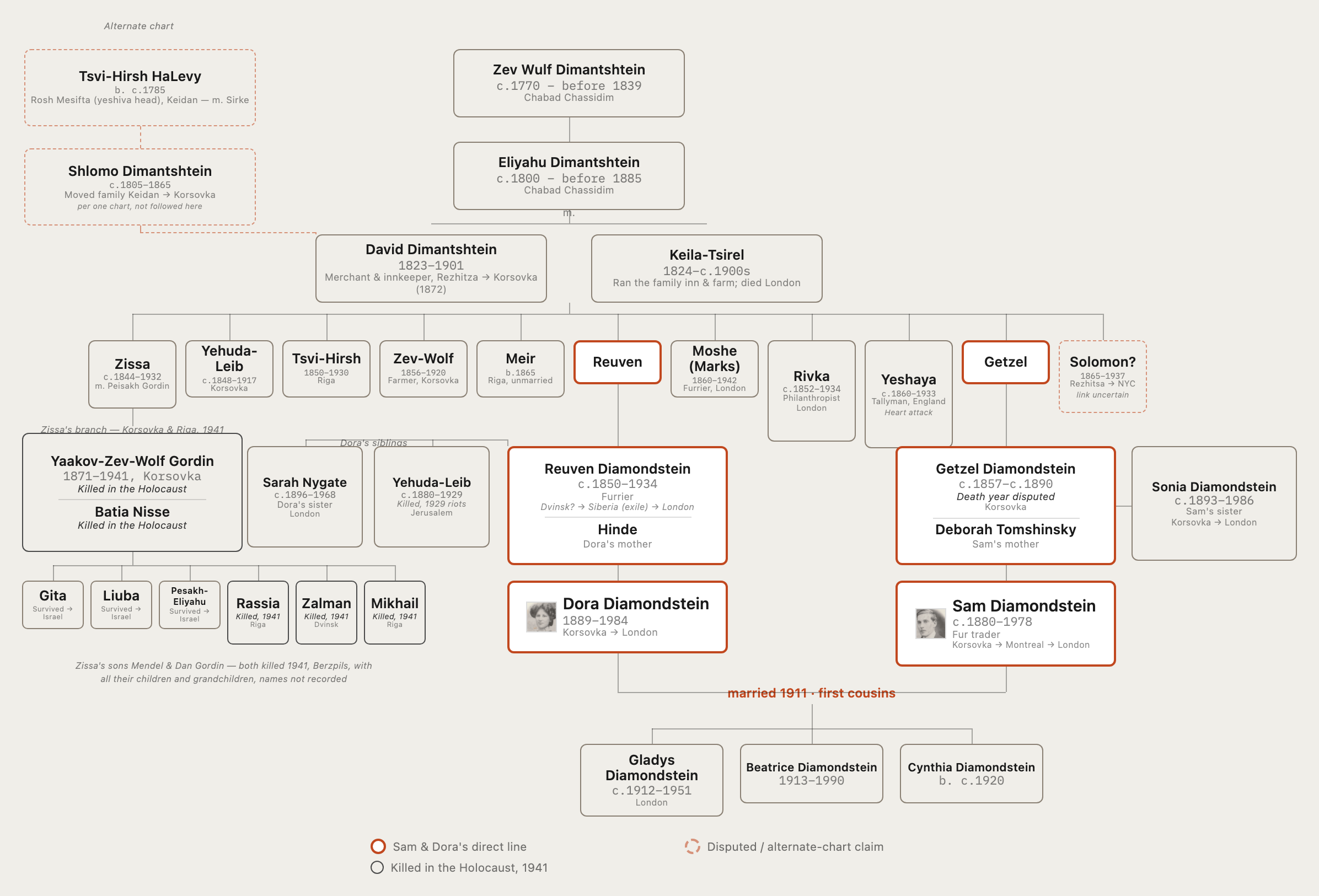
As far back as the Diamondstein family's own paper trail goes, it starts with Zev Wulf Dimantshtein, born around 1770 in Polotsk, in what is now Belarus, and dead before 1839 — no wife, no occupation, no title survives for him personally. (One other family chart gives David a different father and grandfather entirely: a father named Shlomo, who it says moved the family from Keidan, Lithuania to Korsovka, and — one generation further back — a rabbi named Tsvi-Hirsh HaLevy, married to a woman named Sirke, who headed a yeshiva in Keidan.) What does survive is a claim about the wider line: that they were Leviim and Chabad Chassidim, followers of the Hasidic movement then spreading through the Pale of Settlement. The same Hasidic identity turns up again a few generations later, when one of Zev Wulf's descendants married into a family whose patriarch was remembered as "one of the first Chabad Chassidim in England."
They were Leviim and Chabad Chassidim, followers of the Hasidic movement.
Zev Wulf's Son Eliyahu (c. 1800–1885)
Zev Wulf's son Eliyahu, born around 1800, also in Polotsk, died sometime before 1885. Nothing else about his own life survives — no wife, no occupation.
Eliyahu's Son David and Wife Keila-Tsirel, Merchants, Farmers, Inn Keepers (1823–1901)
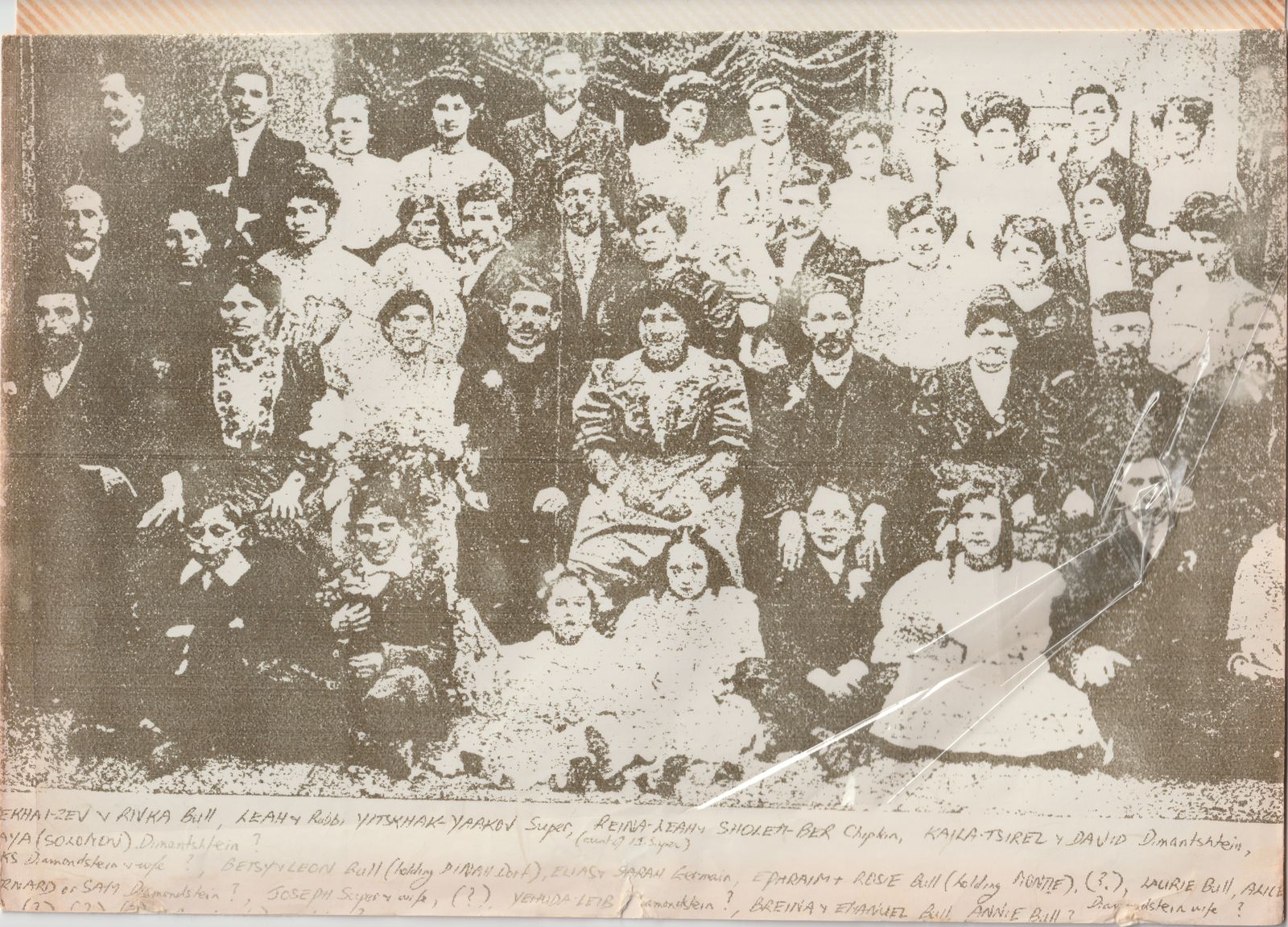
Eliyahu's son 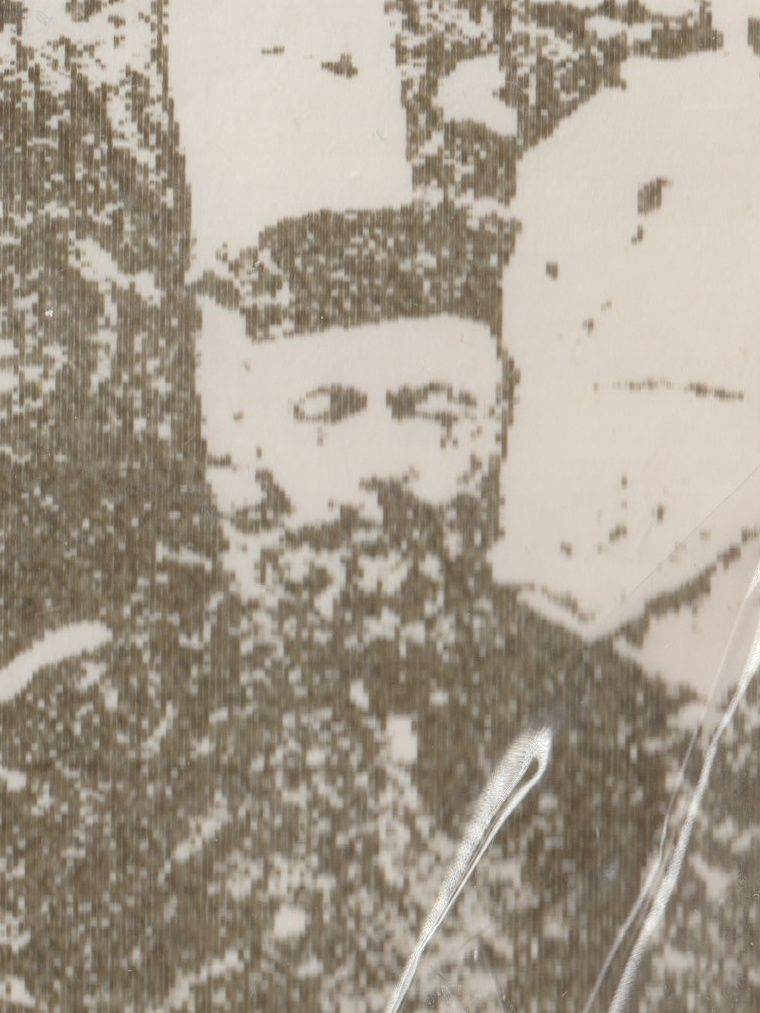 David Dimantshtein married
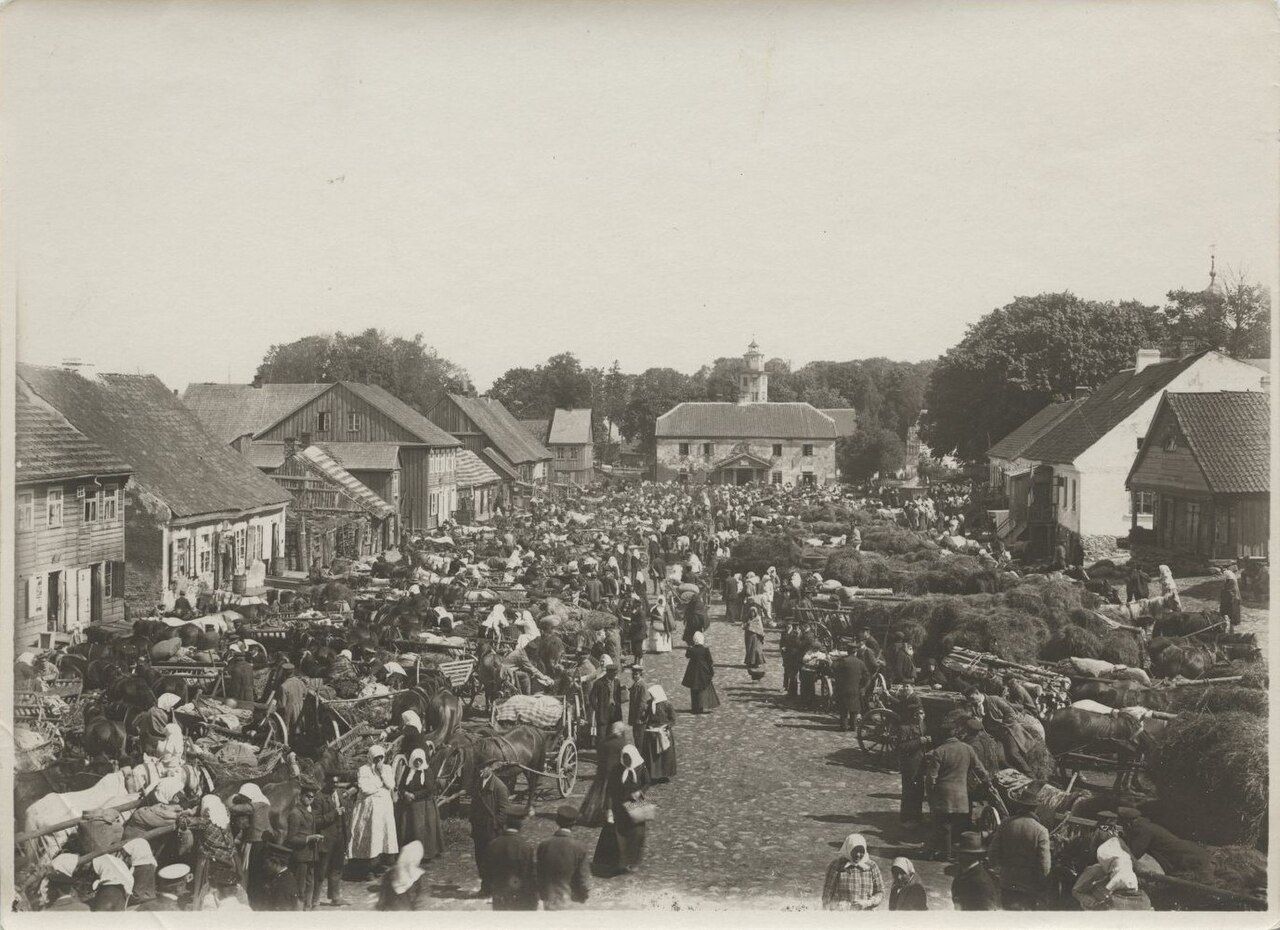
 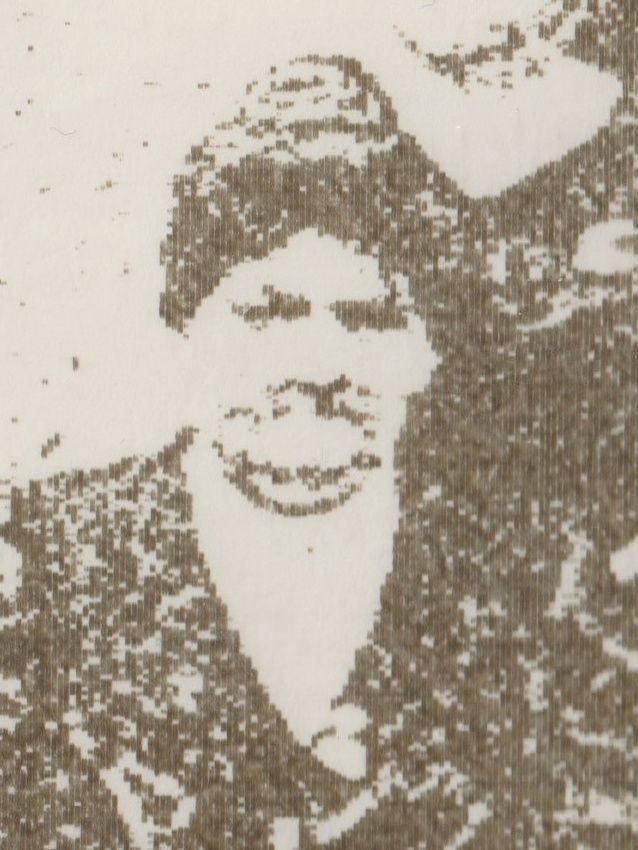 Keila-Tsirel, and together they built something real: an 1889 census recorded David as a merchant, and the family was wealthy — running an inn and working farmland on the outskirts of a small Vitebsk Governorate shtetl. They had already moved once, from Polotsk to Rezhitza; in 1872, David moved them again, on to Korsovka — the shtetl Sam, their grandson, and Dora, their granddaughter, would later call home.
Eleven Children: Korsovka, Riga, London, New York (b. c. 1844–1860)
David and Keila-Tsirel had eleven children — a twelfth is named by one family account and left off another, so even the record itself isn't sure he belongs on the list — and between them this next generation splits close to evenly: half stayed, half left for good, most of the leavers converging on London. Nothing in the record says why, but it's a reasonable guess that they were drawn by family already settled there as much as pushed out by the era's tightening restrictions on Jewish life in the Russian Empire — the same mix of pull and push behind much of the broader Jewish emigration out of the Pale of Settlement in these decades. Several stayed within the Baltic region itself — farming and trading in Korsovka and Riga. The cluster that reached London: some became furriers and drapers — while a sister among them, Rivka, became a philanthropist, a founder of the Stepney Jewish Hospital. One sibling, Zalman — known as Solomon — crossed an ocean for good, to New York. Another sister, Zissa, stayed too, married, and started a family nearly wiped out by the Holocaust in the generations that followed.
Pushed out by the era's tightening restrictions on Jewish life in the Russian Empire.
Zissa's Family in the Holocaust (1941–1942)
One of David Dimantshtein's daughters, Zissa and her family paid the heaviest price. She had married Peisakh Gordin; their son, Yaakov-Zev-Wolf Gordin, and his wife, Batia Nisse, were both killed in Korsovka in 1941. A cousin, Eizik Dimantshtein, later testified that when he asked a Latvian acquaintance from the town what had happened, he was told plainly: "All the Jews in Korsovka were shot like dogs." He heard afterward that they had been rounded up in a side street and marched to pits already dug in the forest at Naudas Kalns, on the edge of town — the same site the independent historical record names, adding what his account doesn't: that local Latvian auxiliary police carried out the killing there alongside a German security unit. Of their six children, three — Rassia, Zalman, and Mikhail — were killed that same year in Korsovka; the other three — Gita, Liuba, and Pesakh-Eliyahu — survived and reached what would become Israel. Two more of Zissa's sons, Mendel and Dan Gordin, also died in 1941, in Berzpils, along with most of their own children and grandchildren — though Mendel's son Aba Gordin survived, and after the war organized religious services for what remained of Korsovka's Jewish community.
They had been rounded up in a side street and marched to pits already dug in the forest at Naudas Kalns, on the edge of town.
Zissa's line was not the only one this generation lost. Her brother Zev-Wolf had stayed in Korsovka too, farming near the town's Jewish cemetery and Naudas Kalns — the same site, and very likely the same massacre, that killed Zissa's own son's family above. Of his own children, at least three were killed there and in Riga that same year: his son Avraham, Avraham's wife Liza, and their daughter Marita, killed together in Korsovka; and two of Avraham's nieces, Zhenia and Gittel, killed in a roundup of women in Riga. A grandson, Zev-Wolf, a university student — known in the family as "Volinka" — was killed in Riga the same year. The wider family's war losses reached further still, in different ways: one grandson died at the front serving in the Soviet army in 1944; two more were killed serving in the Soviet and Latvian armies; a son, Shmuel, fled across the Soviet border in 1941 and perished in Siberian exile; and another son, Eliyahu, died of illness in exile in Kokand, Uzbekistan, in 1942.
Liuba Teitelbaum's Testimony about the Pogroms and the Holocaust (pre-1920–1940s)
One of Eliyahu's own children lived to tell this branch's story directly. His daughter, Liuba Teitelbaum, later testified that she and her husband fled Riga within days of the German invasion — he had worked for the outgoing Soviet administration and was given a pass while the Dvina crossing was still Russian-held. The pogrom that broke out with the invasion killed indiscriminately: Liuba recalled a rabbi's daughter who escaped Korsovka on foot, then turned back for something she had forgotten and was killed in the street. The family made its way through Gorky to Kokand, in Soviet Uzbekistan, where her father Eliyahu died the following year, and where her uncle Getzel died as well. Returning to Korsovka after the war, she found most of the town's Jewish homes emptied and looted, though her own father's and uncle Shmuel's houses, and the Jewish cemetery itself, had been left untouched. Her testimony also describes a "Marita" hidden by a German resident named Pankiewitz, who had married into a Jewish family and built a secret chamber for his wife's relatives — naming this Marita, it is thought, as a daughter of "Getzel Dimantshtein." Whether this is the same Marita recorded above as Avraham and Liza's daughter, killed with her parents in Korsovka, isn't settled; the family's own accounts disagree on her fate, and both are preserved here rather than one silently overriding the other.
Returning to Korsovka after the war, she found most of the town's Jewish homes emptied and looted.
Liuba also recalled stories from an earlier upheaval, before the Revolution. In one, soldiers burst in and looted her uncle Shmuel Dimantshtein's house of its valuables. In another, her father Eliyahu and his family took shelter with Christian neighbors, who disguised them in peasant clothes; when Russian marauders came asking which shops in town sold liquor and tobacco, they failed to recognize Eliyahu as a Jew and asked outright whether there were "any Zhids" — he told them there weren't. In 1920, Eliyahu and his brother Getzel moved their families to Riga.
Eliyahu and his family took shelter with Christian neighbors, who disguised them in peasant clothes.
Reuven, Arrested and Exiled to Siberia (speculative, mid-to-late 1890s)
Dora's father Reuven's own story took a darker turn before the family reached England. Family memory says he was arrested and sent to Siberia, and his wife 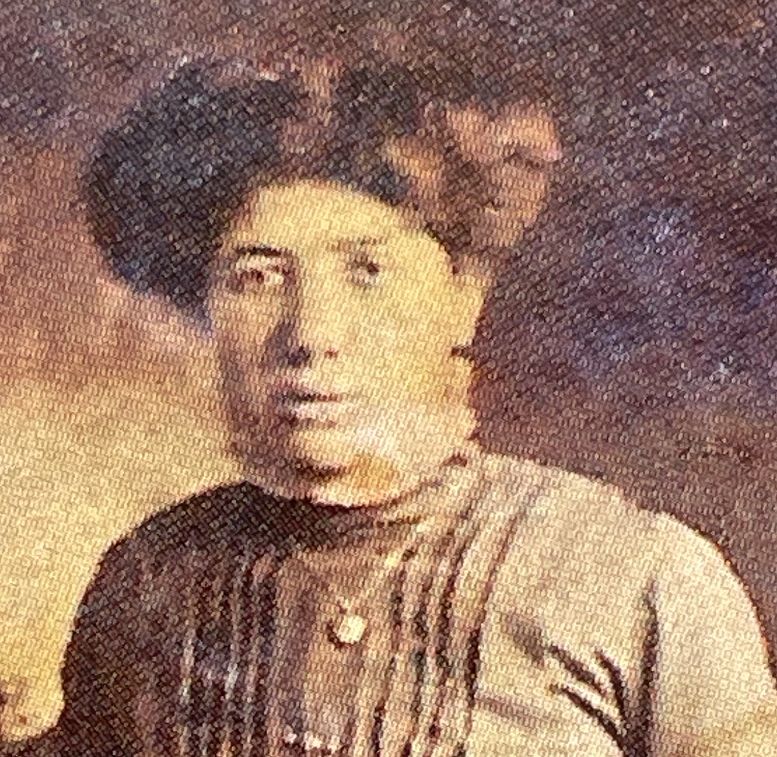 Hinde followed him there — though what he was actually charged with isn't agreed on even within the family. One account says he was accused of horse theft, a charge Dora herself always maintained was invented, covering what was really a political exile. Another says he was accused of setting fire to crops. Nothing dates the episode, and the family's own memory doesn't settle which charge, if either, was real.
Dora's father, Reuven, was arrested and sent to Siberia.
Dora was there too, and old enough to remember it. By her granddaughter Hilary's account of what Dora told her, Mongols coming down from the steppes, a mud-brick hut with a turf roof, convict gangs seen in chains, and a seven-week journey out of Siberia that ended in England, passing through Warsaw, where the family was scolded for not knowing how to use western-style toilets. Dora feared or disliked her father, and wondered why her mother had chosen to follow him at all; she never spoke Russian again afterward, deliberately, to keep the memories at a distance. That she remembered all of it firsthand means she was already born by the time Reuven was sent away — placing his arrest sometime within her own childhood.
Dora's seven-week journey out of Siberia that ended in England... the family was scolded for not knowing how to use western-style toilets.
Reuven and Getzel's Children: Sam and Dora (b. c. 1880 and 1889)
Dora's uncle, Getzel, was the father of Sam, making Sam and Dora first cousins, raised in the same small-town world their grandparents had built, in the same faith their great-great-grandfather's line was remembered for a century before — and they would grow up to marry each other, and become the two people this entire story is actually about.
Sam and Dora Reach England (1897–1908)
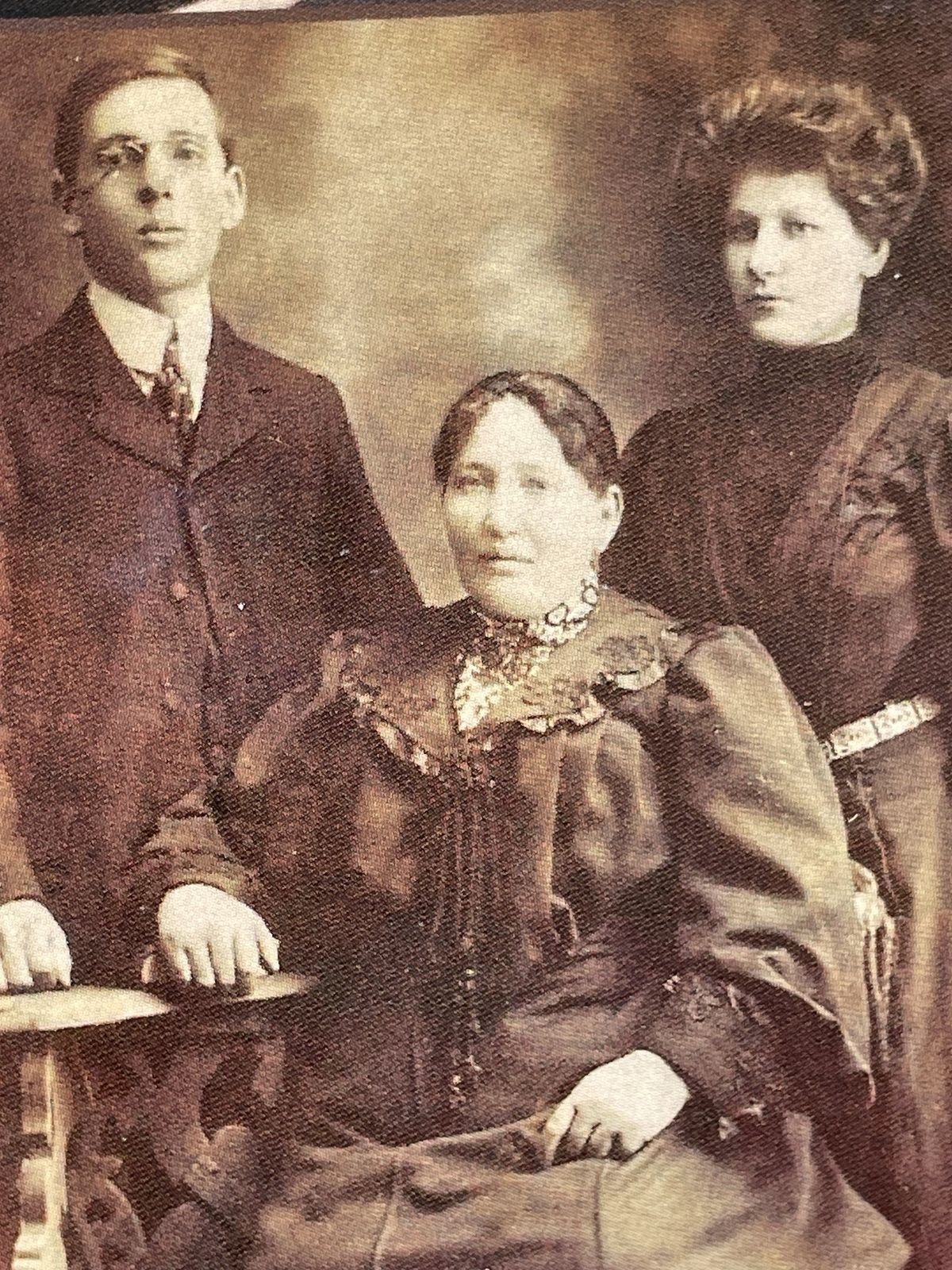
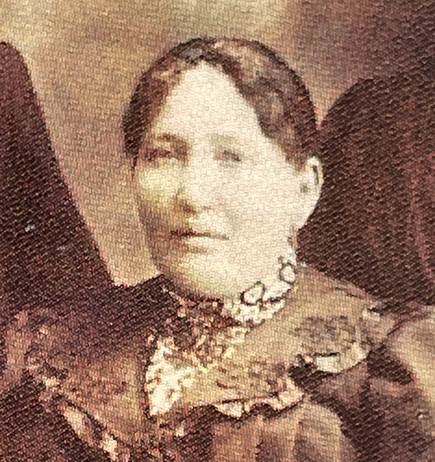
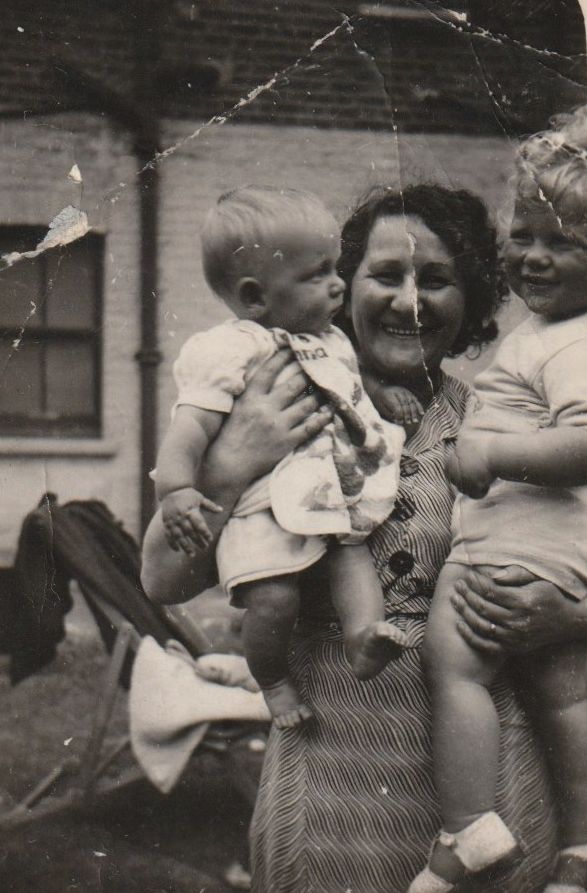
Dora's father Reuven reached London in 1897, the last of his own siblings to leave Korsovka — his son 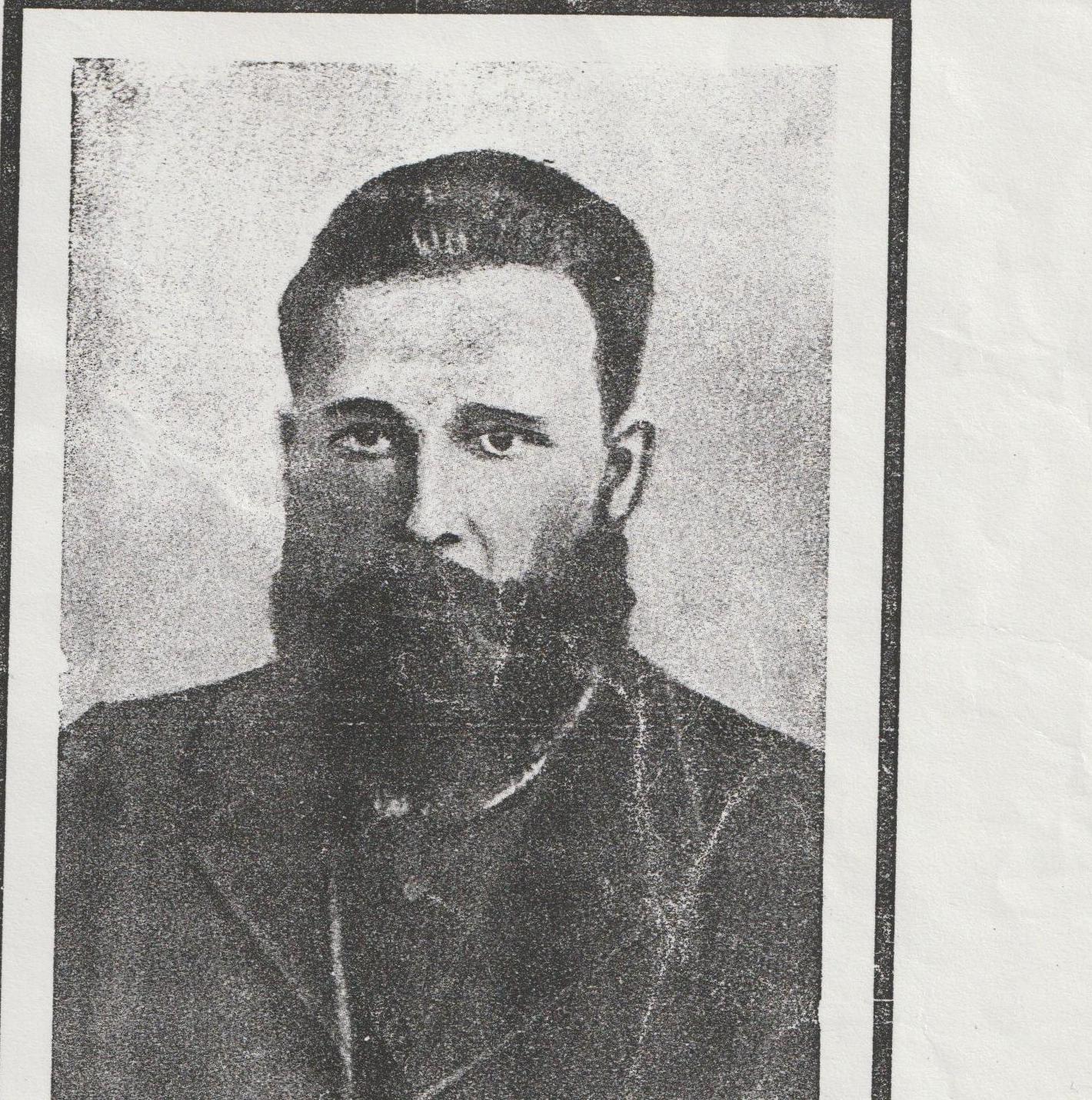 Yehuda-Leib, then seventeen, came with him, but later moved to Palestine, where he was killed in the 1929 Palestine riots. Dora herself followed a few years later, arriving in England around 1903 or 1904, a girl of about fourteen. One granddaughter's testimony names a relative, "Uncle Bernard," as the one who brought Dora and her family back from Siberia to England — confirmed, per that same testimony, as the Bernard born around 1875 in Riga who later settled in Aberdeen, Scotland: an in-law on Tsvi-Hirsh's branch of the family, not Reuven's own line. Getzel never left Korsovka at all, and stayed there the rest of his life — whether he was even still alive to see his son leave for Montreal in 1901 isn't known; no source gives a death date for him that actually holds up. Sam may have made this journey in two steps rather than one. A possible 1901 English census record has him in England before that — which would mean he crossed to Montreal from there, not straight from Korsovka. Either way, he didn't settle in London for good until 1908 — arriving in the same city his cousin Dora already called home. A family photo shows Sam, Dora, and Sam's own mother together, Sam plainly too old in it to still have been in Korsovka — meaning she, at least, made it to England too, at some point after her son did.
Sam's father, Getzel, never left Korsovka.
Sam shuttles for fur-trade work between Montreal and London, courting Dora (his cousin) almost entirely by letter across the ocean; forks toward Minnesota, Winnipeg, a homestead and Chicago are weighed and abandoned before he commits to return to London, and Dora sends £3 for the ticket.
Sam Leaves Korsovka (1901)
In 1901, Sam, around twenty years old (the corpus's birth-year estimates for him range from 1880 to 1885 and don't yet agree), likely left Korsovka alone for Montreal, overland to a Channel port, then steerage across the Atlantic on one of the emigrant lines running from Europe to Canada. It is this single decision that starts the correspondence. From this point on, whatever happens between Sam and Dora happens on paper, across an ocean, for the next decade.
From this point on, whatever happens between Sam and Dora happens on paper, across an ocean, for the next decade.
The Wilson Steamship Line (1900–1901)
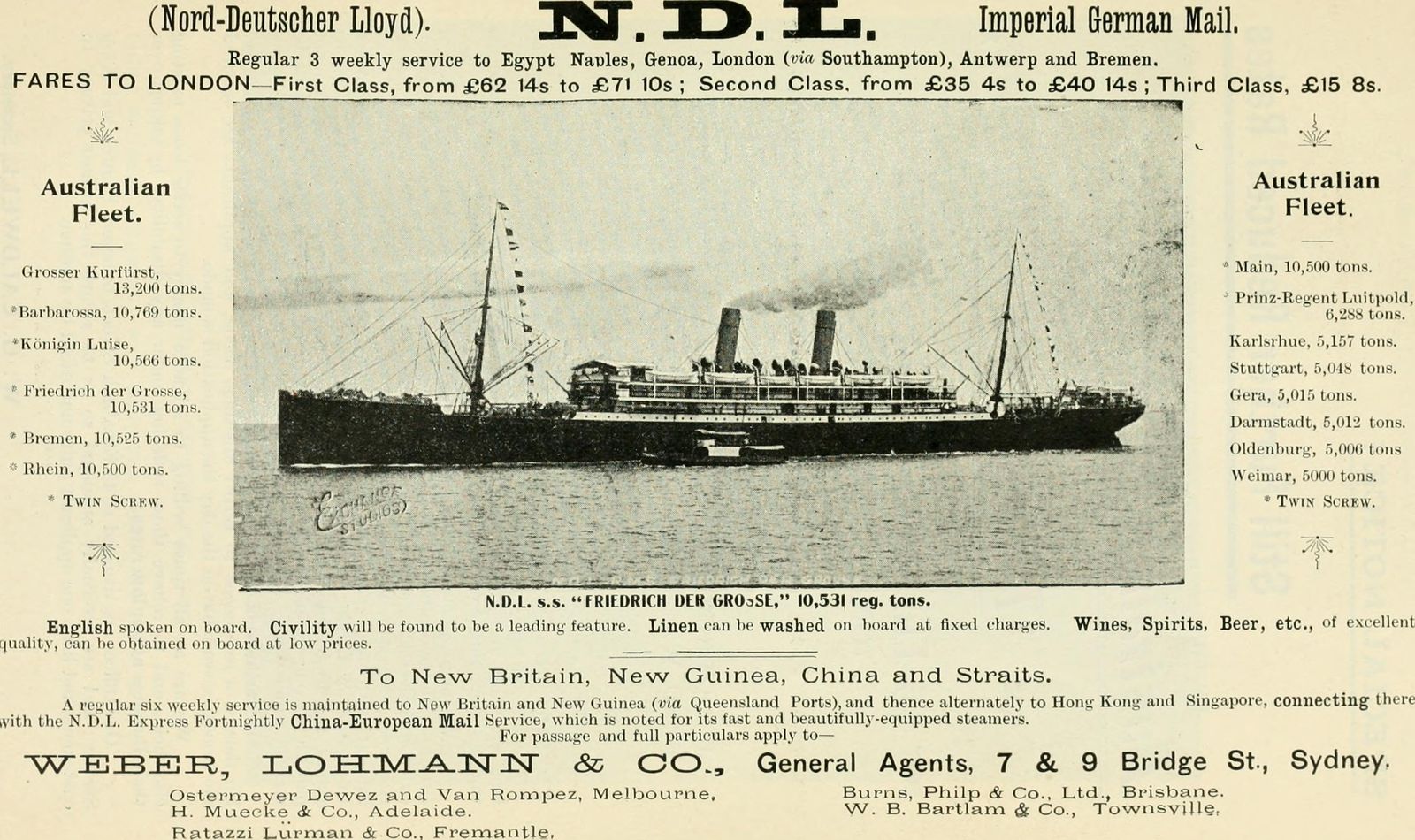
Sam's home region used one of the best-documented transmigration systems of the era: the Wilson Steamship Line of Hull. By 1900, 45,548 Jewish transmigrants passed through the port of Hull alone in a single year, up from just 500 to 1,000 a year in the mid-1850s, a massive, organized operation rather than an improvised route. From Hull, most travelled by a dedicated boat train, the North Eastern Railway, straight through to Liverpool via Leeds, Huddersfield, and Stalybridge; in 1900 alone, over 31,000 transmigrants moved this way. It was, in effect, a sealed corridor, many people in Sam's exact position never really stayed in England at all in the sense of stopping to live there, just boarded a designated train at Hull and rode it to the next ship. Sam is first documented in Montreal on 11 June 1901, in his early twenties, an ordinary age for solo emigration, and a plausible one to have followed this exact route, though no ship manifest or travel record for his own crossing survives to confirm it. Whether he stopped meaningfully in London along the way, or passed straight through the corridor to Montreal, isn't known either way.
Sam Tries to Make a Life in Canada (1901–1907)
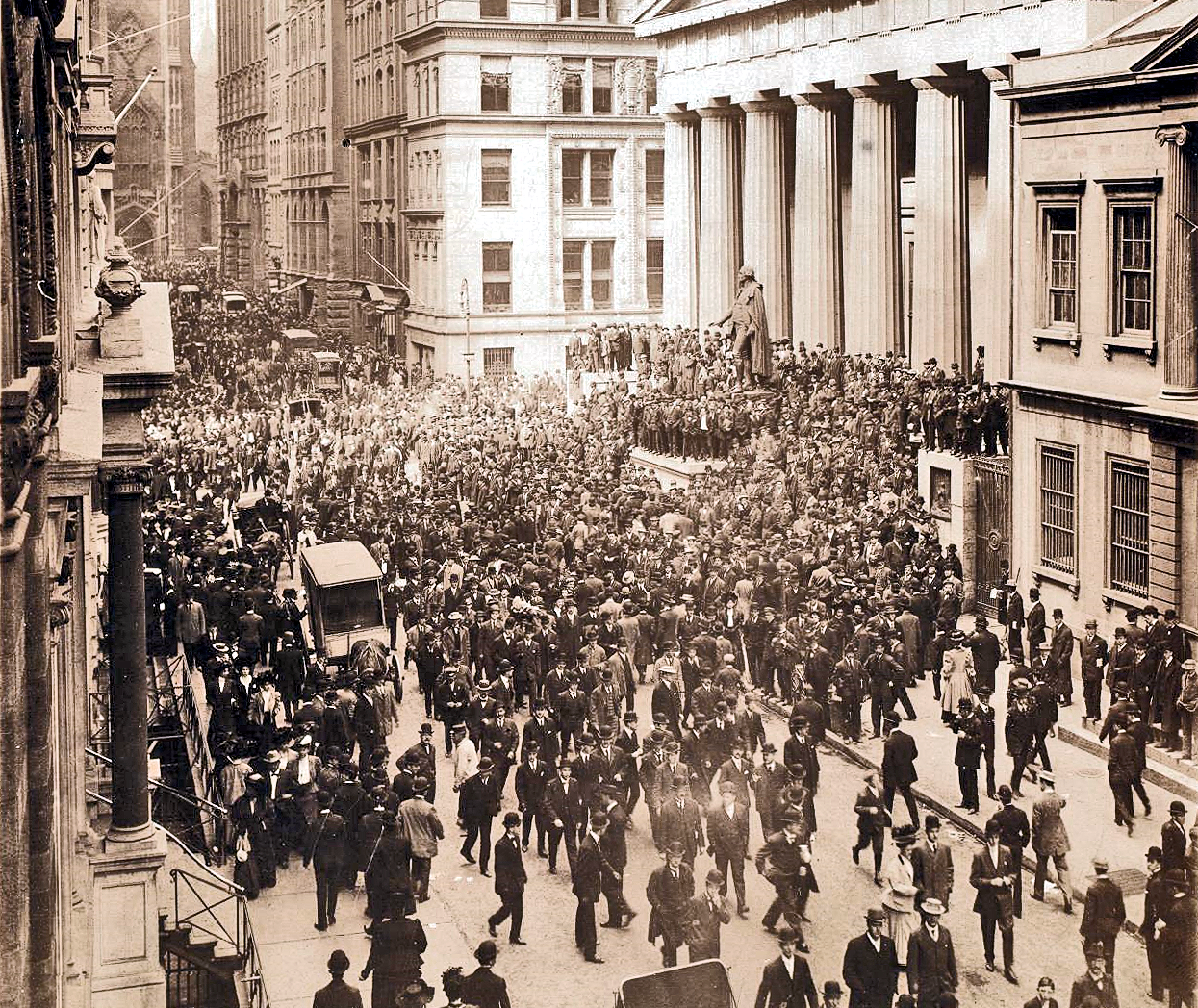
Montreal did not go smoothly. Sam crossed back and forth more than once across this decade, cycling through jobs that didn't last, and in 1907 the Panic of that year wiped out whatever he'd managed to build. "When you have no money," he wrote to uncle Reuven, "there is nothing at all you can do."
Montreal did not go smoothly.
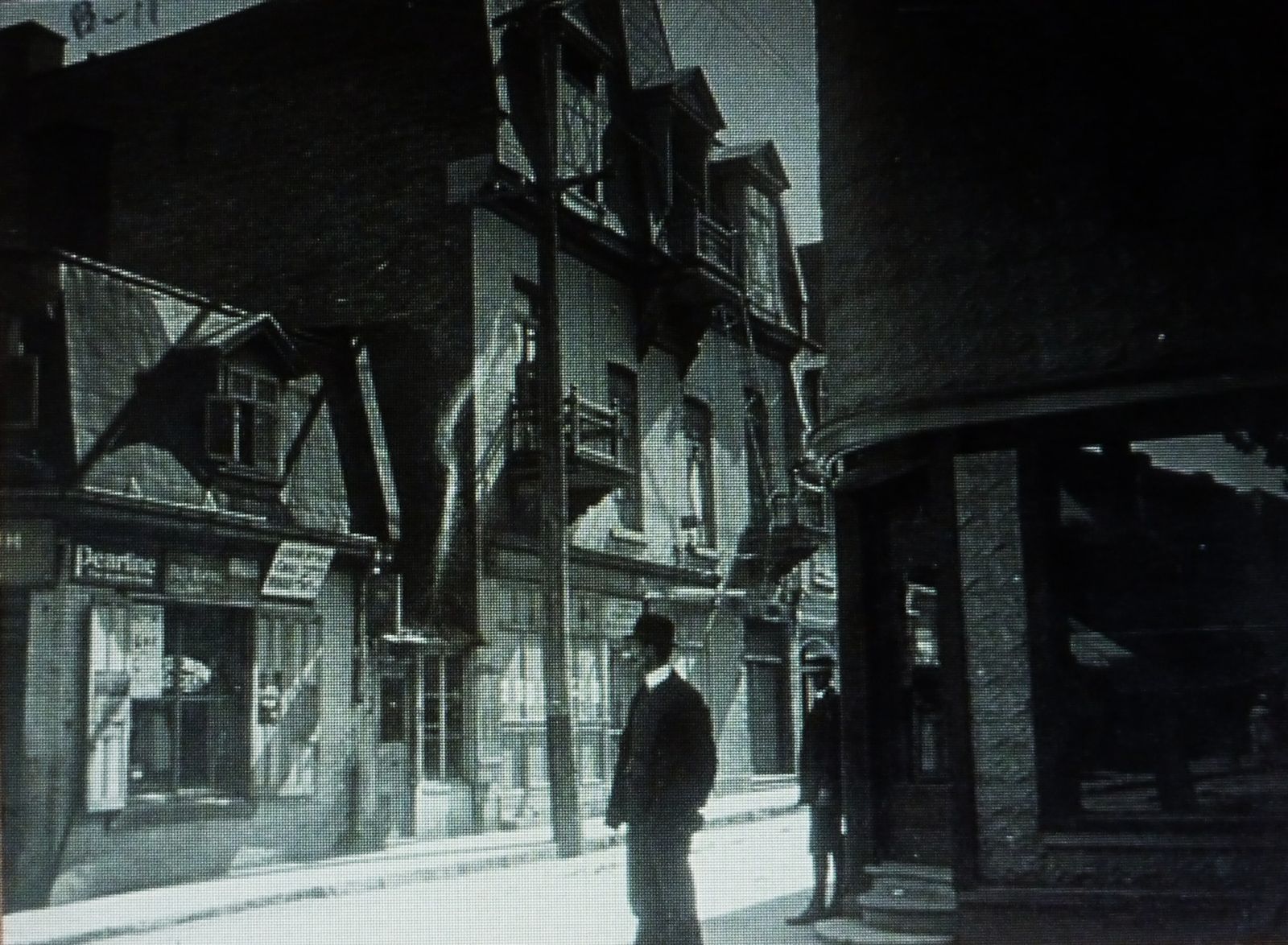
The earliest letter in the whole archive, dated 11 June 1901, spells out exactly this kind of small, practical deception immigrants of the period sometimes had to make just to keep working. Turned away for being a foreign Jew, Sam told the hiring office he was an Austrian Christian instead, and they believed him.
Just how bad Sam's own Montreal wages actually were is worth putting real numbers to, rather than taking his word for it. In one letter he reports earning about a dollar for four days' work at first, 25 cents a day, improving later to "three or three and a half dollars" in a good week. For comparison: in 1900, New Orleans workers were already petitioning for a "living wage" floor of 25 cents an hour, eight hours a day, two dollars a day, proposed as bare subsistence, not comfort. Sam's initial rate was roughly one-eighth of what workers elsewhere were demanding as a subsistence minimum, two years before he wrote that letter. Even his improved rate doesn't hold up well against the era: American wage-earning men averaged $11.16 a week in 1905, and Montreal's own municipal street laborers were raised to $2.10 a day in 1912, later than Sam's letter, and different work, but the closest same-city anchor available. Generously assuming his "three to three-and-a-half dollars" covered a full six-day week, that puts him at roughly a quarter to a third of a comparable Montreal laborer's wage just a few years on, and under a third of the 1905 U.S. average. His own words in the same letter, "life here is very dry", read like plain description against these numbers, not homesick exaggeration.
Sam's initial rate was roughly one-eighth of what workers elsewhere were demanding as a subsistence minimum.
Montreal wasn't the only alternative to giving up and sailing home. Sam turns over at least three others in these letters, none developed as far as the land-grant scheme. Winnipeg and Minnesota each surface only once, and only in passing. In one undated letter he declares he has “come to a decision” about a possible move to Winnipeg; in another, already doing itinerant tailoring work after fleeing what he calls “wretched Canada,” he admits he's “still not at all sure” he'll stay in Minnesota. Chicago pulled harder and longer, it surfaces in five separate letters from this stretch, more than any option besides the homestead scheme. Once I receive the two pounds from you, I'll pay off what I owe and set off, perhaps for Chicago, he writes in one, jobless again; in another, an acquaintance's report that “in Chicago it is better than in Montreal” seems to have stuck with him. When he does go, in a letter that reads as much like a self-defense as a plan, he insists it isn't restlessness; “I want to do it to make a real life for myself, not to go chasing after fortunes for now in these golden lands.” Most of these letters carry no date of their own, assigned only an approximate 1907–1909 window from internal clues, and several run through low-confidence transcription spans; what the record shows clearly is Sam turning four different ways over, not committing to any of them, before Montreal fails him for the second time and London becomes the answer instead.
Once I receive the two pounds from you, I'll pay off what I owe and set off, perhaps for Chicago.
Of the options Sam was weighing as a way out of Montreal, the one he put real thought into was a Canadian government land grant, worth being precise about which one, since the phrase "homestead grant" usually means something specific that doesn't quite match what he describes. The famous version, the Dominion Lands Act homestead, was free: 160 acres for a ten-dollar administration fee, in exchange for "proving up" over three years, building a permanent dwelling and hitting staged cultivation targets. What Sam describes instead requires real capital up front (on the order of a thousand dollars, by his own account), a much smaller ten-acre parcel, and a house already provided, terms that line up far better with a different, lesser-known scheme: the "Ready-Made Farms" the Canadian Pacific Railway ran in Alberta and Saskatchewan in roughly this period, where the company built the house and barn, dug the well, and ploughed the land before a settler ever arrived, in exchange for real cash on landing. Neither match is exact, some of Sam's own figures are low-confidence machine-transcription guesses, but the shape of what he's actually weighing is a paid, furnished start on someone else's already-broken land, not the free frontier homestead the phrase might suggest to a modern reader.
By 1908, Sam gave up on Canada for good and went to London instead. It's the decision that actually determines the rest of the story, made only after Montreal had already failed him, not as a first choice but as what was left.
Sam Gives Up on Canada and Returns to England (1908)
The resolution comes in two letters that read like a before-and-after. In July 1908 he is still conditional, as soon as he gets work, he'll send for Dora. A month later, on the second of August, the conditional becomes a decision: work is secured, Montreal life is "very dry," and he'll do far better in London. Some of that apparent whiplash may not be whiplash at all: the Allan Line's Liverpool–Montreal mail service ran weekly, every Thursday, with the crossing itself taking five to five and a half days on its newest turbine steamers, genuinely fast for the era, when most transatlantic crossings still ran seven to ten days. Add the wait for the next Thursday sailing on either end, and a single letter's real transit time could run anywhere from about six days, if timed well, to twelve or thirteen, if it just missed one. Two letters posted a week or so apart, each responding to something the other hadn't seen yet, could easily read like a sudden reversal without actually being one. In the end, Sam is broke and Dora sends three pounds to pay for his return ticket to London that August.
In the end, Sam is broke and Dora sends three pounds to pay for his return ticket to London.
Sam and Dora Marry (1911)
Sometime around February 1911, Sam and Dora married, cousins who'd courted almost entirely by letter across an ocean for a decade. No photograph of the day survives. The marriage came with real money attached: Reuven's own signed tenaim obligated him to a fifty-pound dowry, quite possibly the first real capital Sam ever had — whether it was the actual seed money for the fur business he was running five years later isn't something the record can confirm.
Sam and Dora, in Photographs
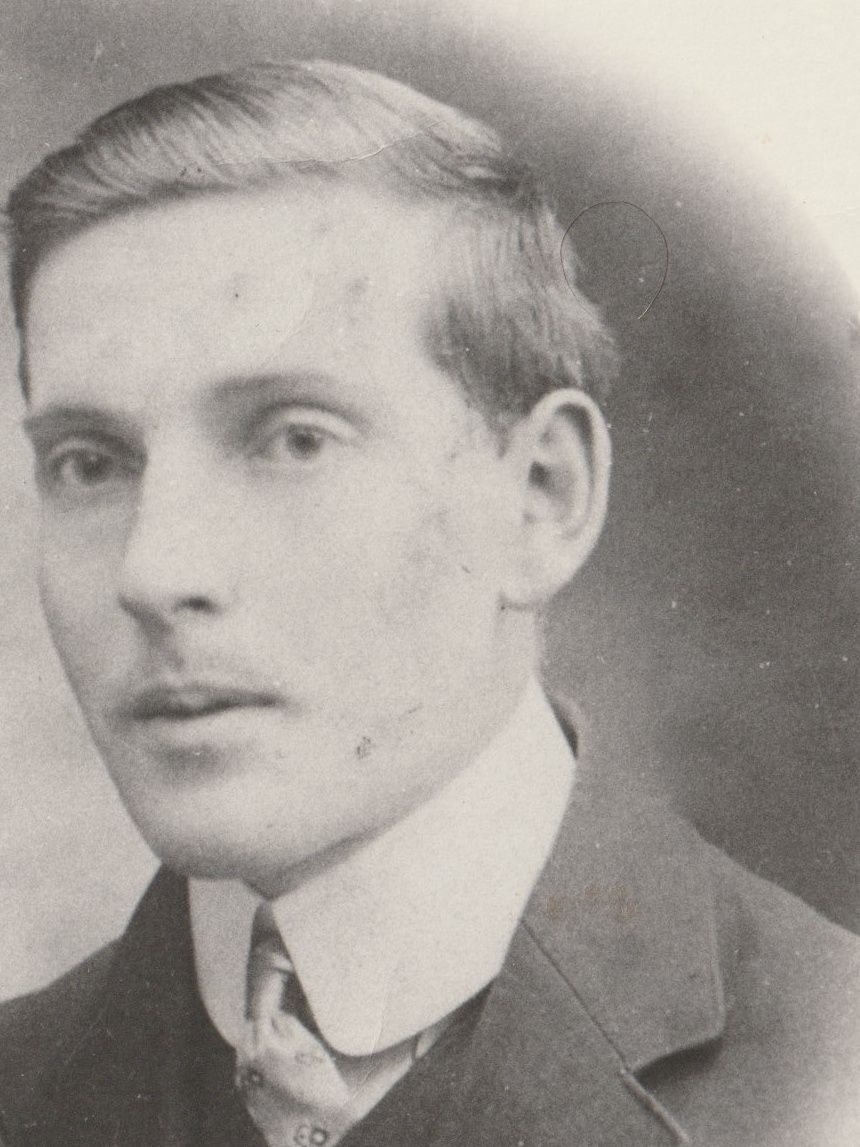
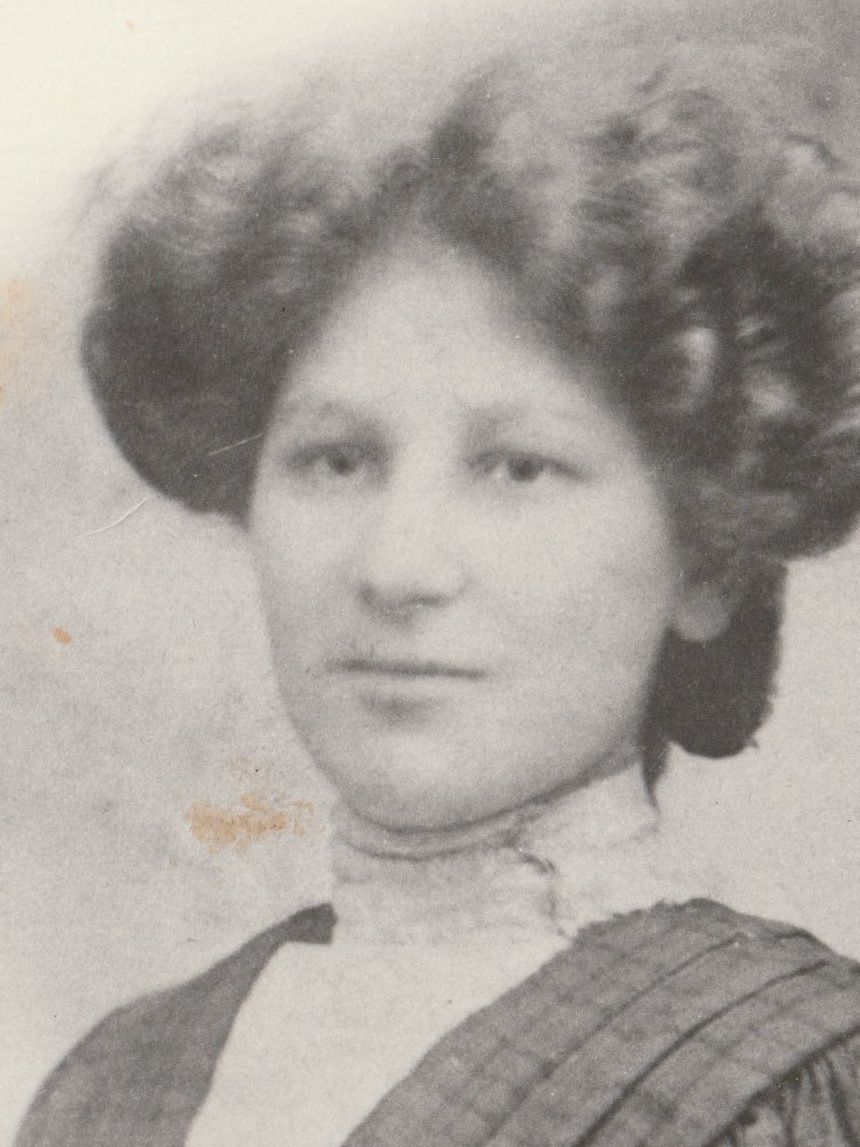
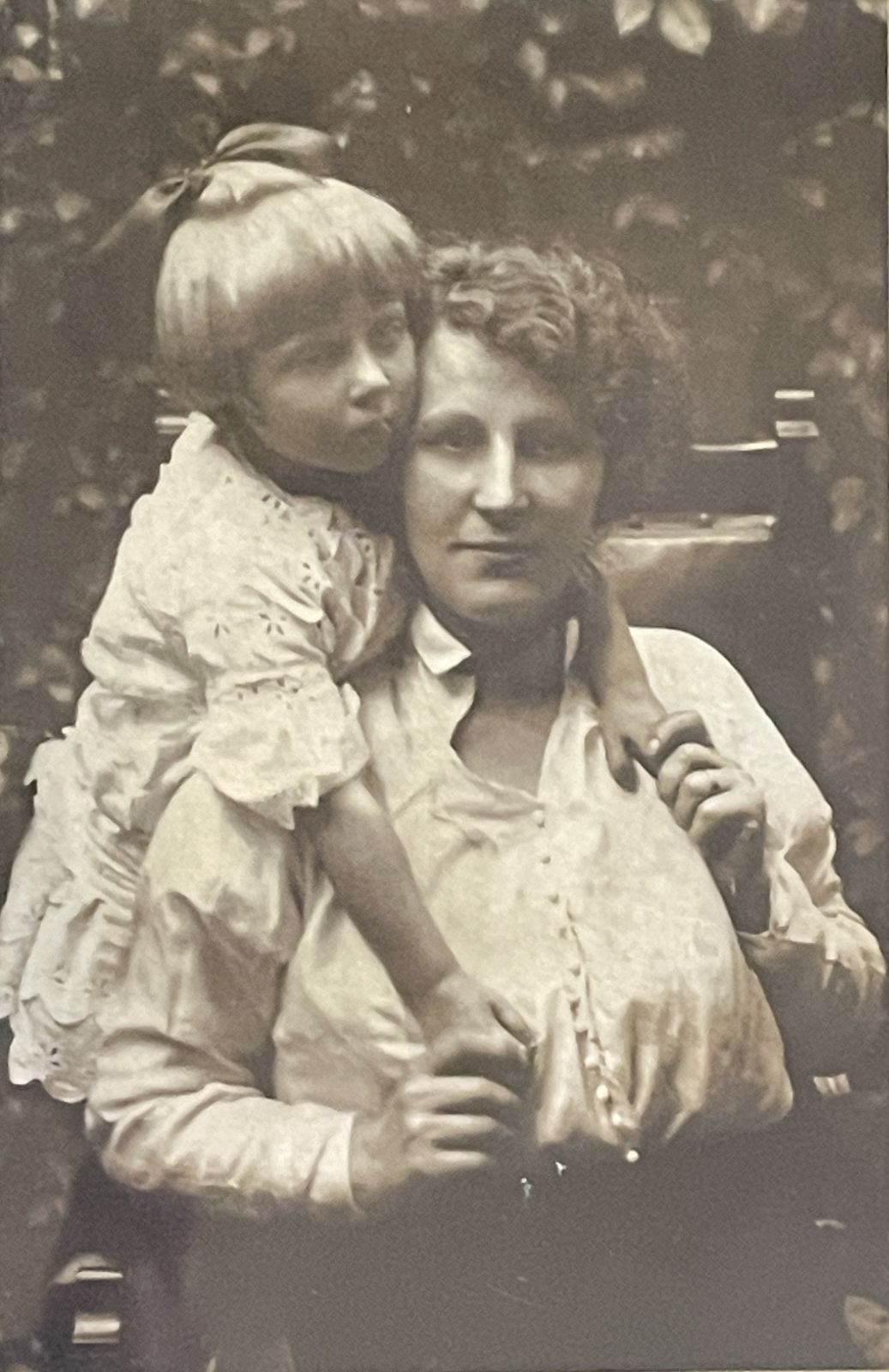
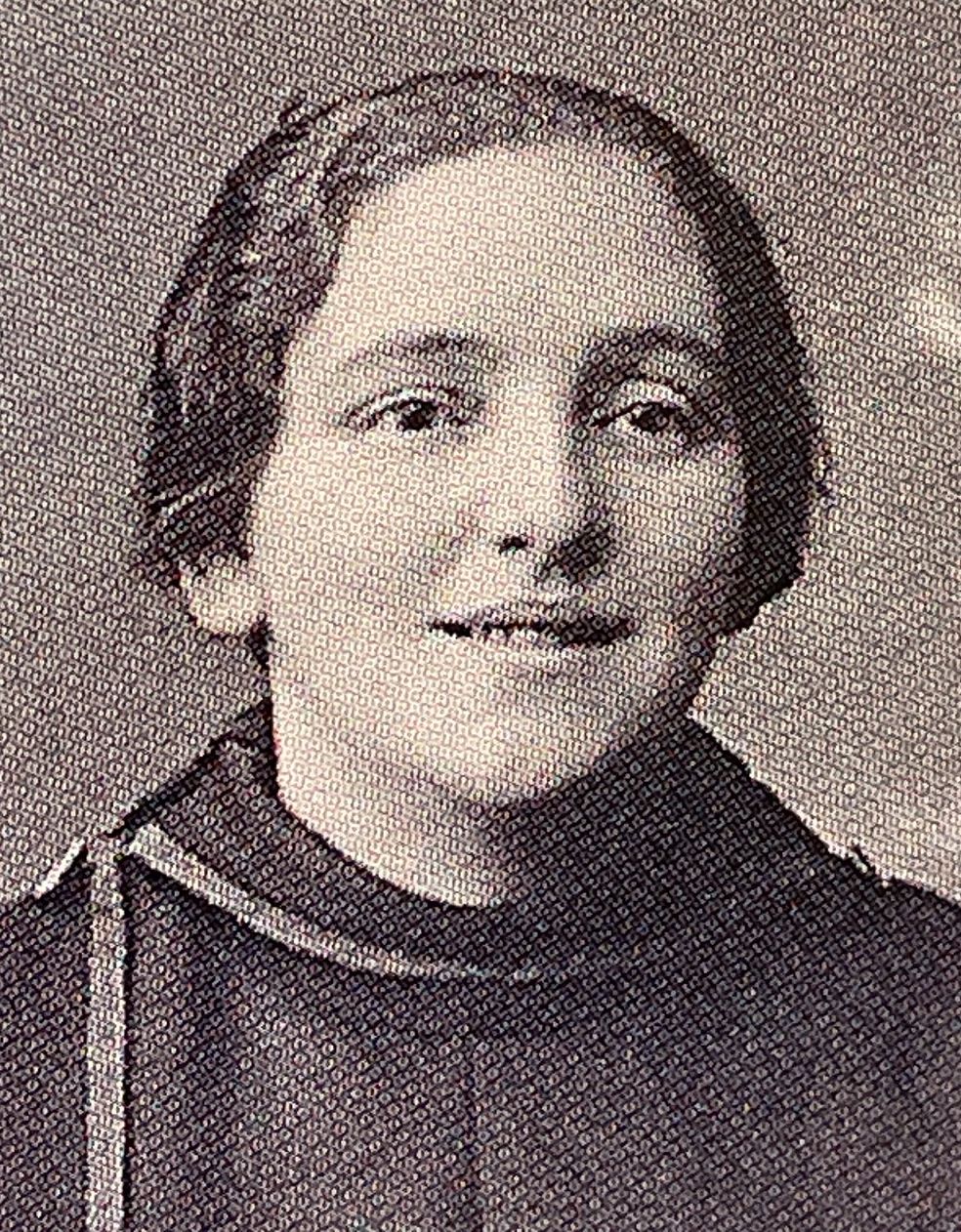
Three family photographs from around this period -- a courtship portrait, and two with each of their own mothers, neither of the other two precisely dated.
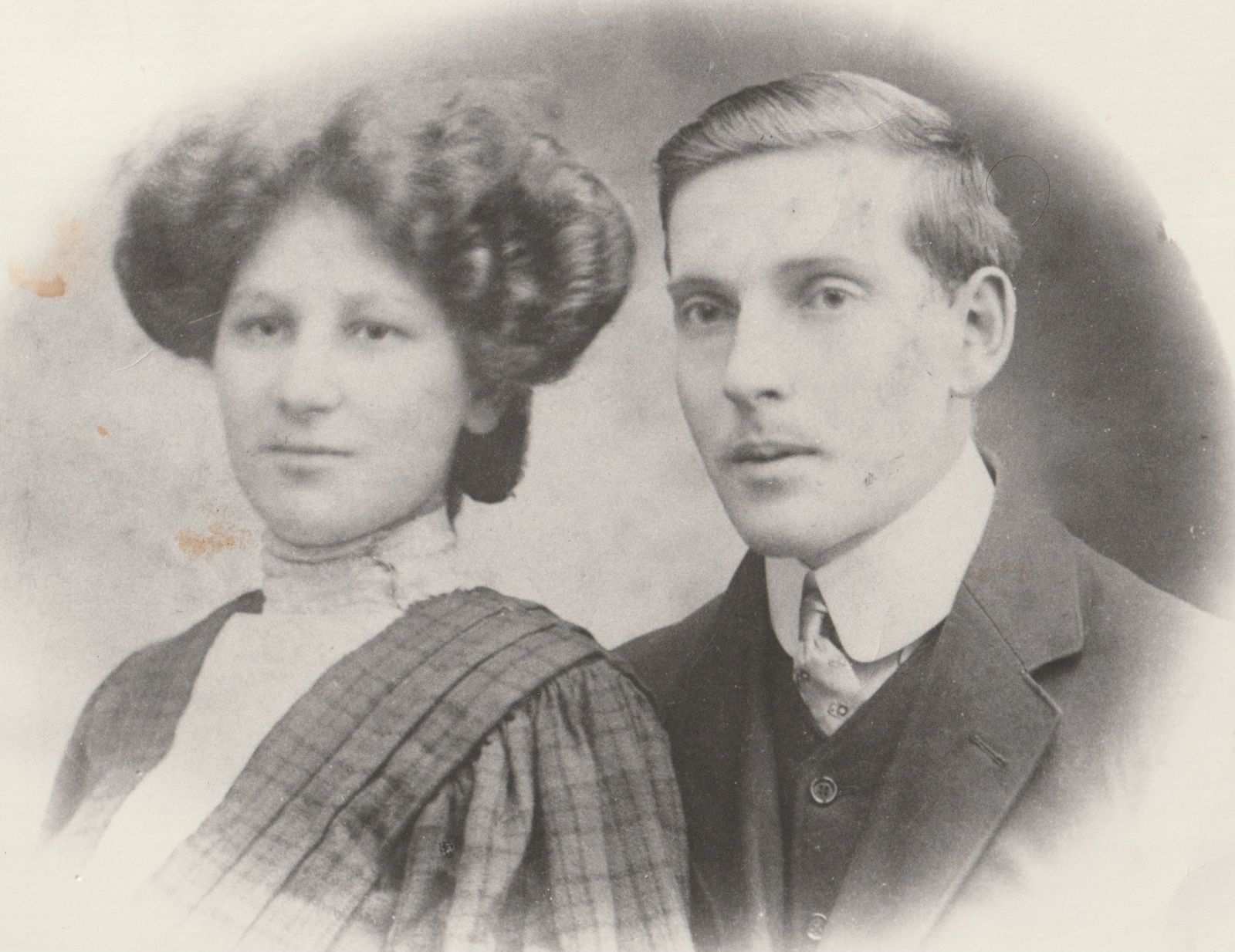 · c.1908-1911Sam and DoraSam and Dora together, c.1908–1911, probably not long after Sam's return from Montreal, in the years leading up to their February 1911 wedding. Not a photo of the wedding day itself; none survives. · undatedSam, Dora, and Sam's motherSam, his mother, and Dora together -- undated, but Dora's apparent age here suggests England, not Latvia, likely placing it close to this same period; a soft inference from clothing and hairstyle, not a dated document.
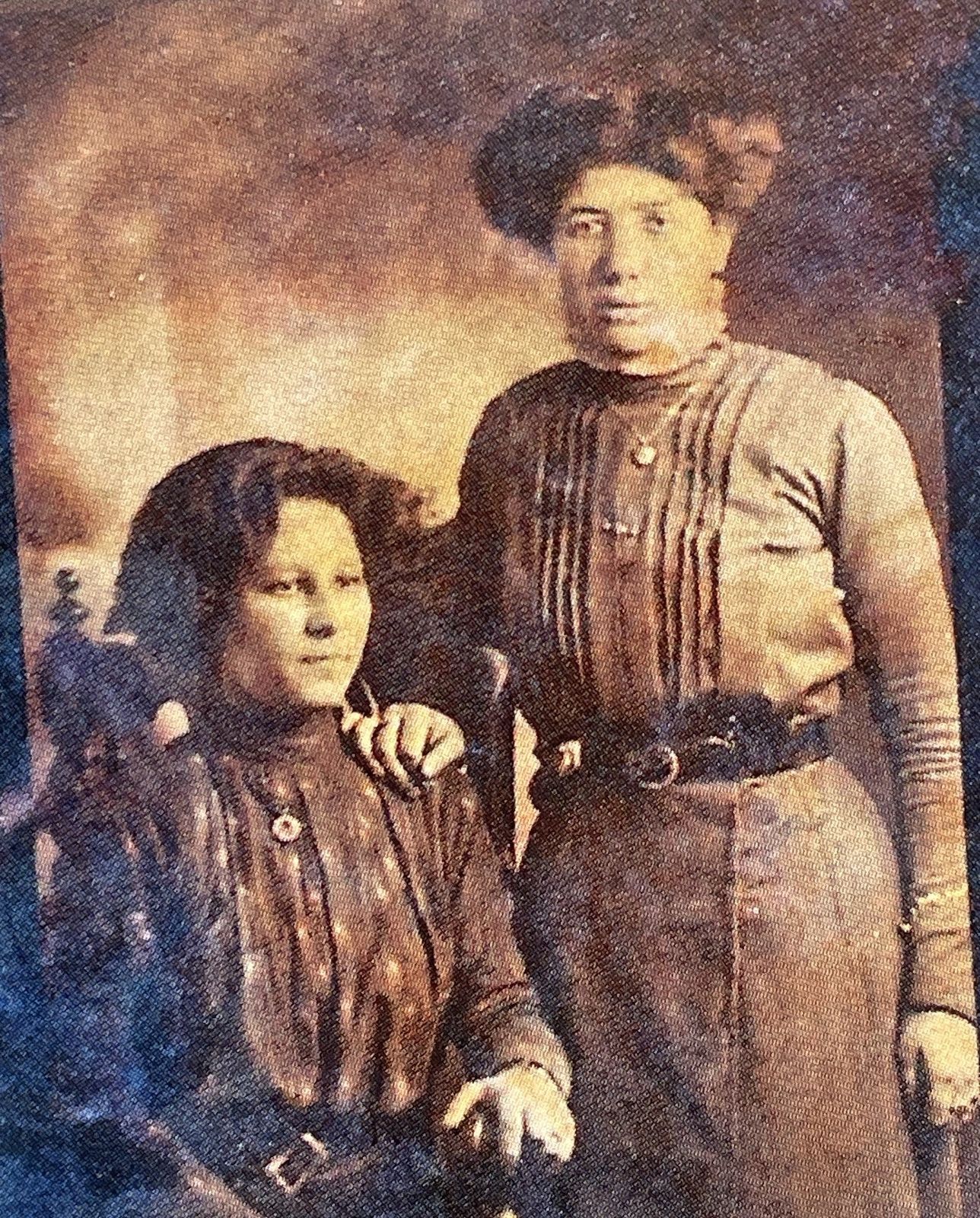 · undatedDora and her mother HindeDora with her mother Hinde -- undated, and likely the older of the two: Dora reads notably younger here, plausibly predating her 1903 emigration from Latvia entirely.
Underneath all of this sits a document that survives in far better shape than any letter: the January 1908 tenaim, the traditional pre-wedding engagement contract, which Reuven and Sam's side both signed. It confirms in writing what the family tree only implies, Reuven ben David HaLevi obligating himself to give Sam a fifty-pound dowry "before the wedding," with a guarantor standing behind the promise, and a specific penalty built into the document itself: whichever side failed to keep its conditions would forfeit half a dowry. The same contract's wedding-expenses clause spells out what that money was for: "Rabbi, Cantor, Shamash, and band" -- a real wedding, budgeted for, in a document dated three years before Sam and Dora actually married in February 1911.
The fifty pound wedding dowry specifies a rabbi, cantor, shamash and a band.
By September 1916 Sam and Dora are married with children, running S. Diamondstein & Co., Fur Dealers, out of Brick Lane; the courtship-at-a-distance voice gives way to the provider-from-a-distance voice that defines the next decade.
Sam and Dora Have Children and He's Running His Fur Business (1916)
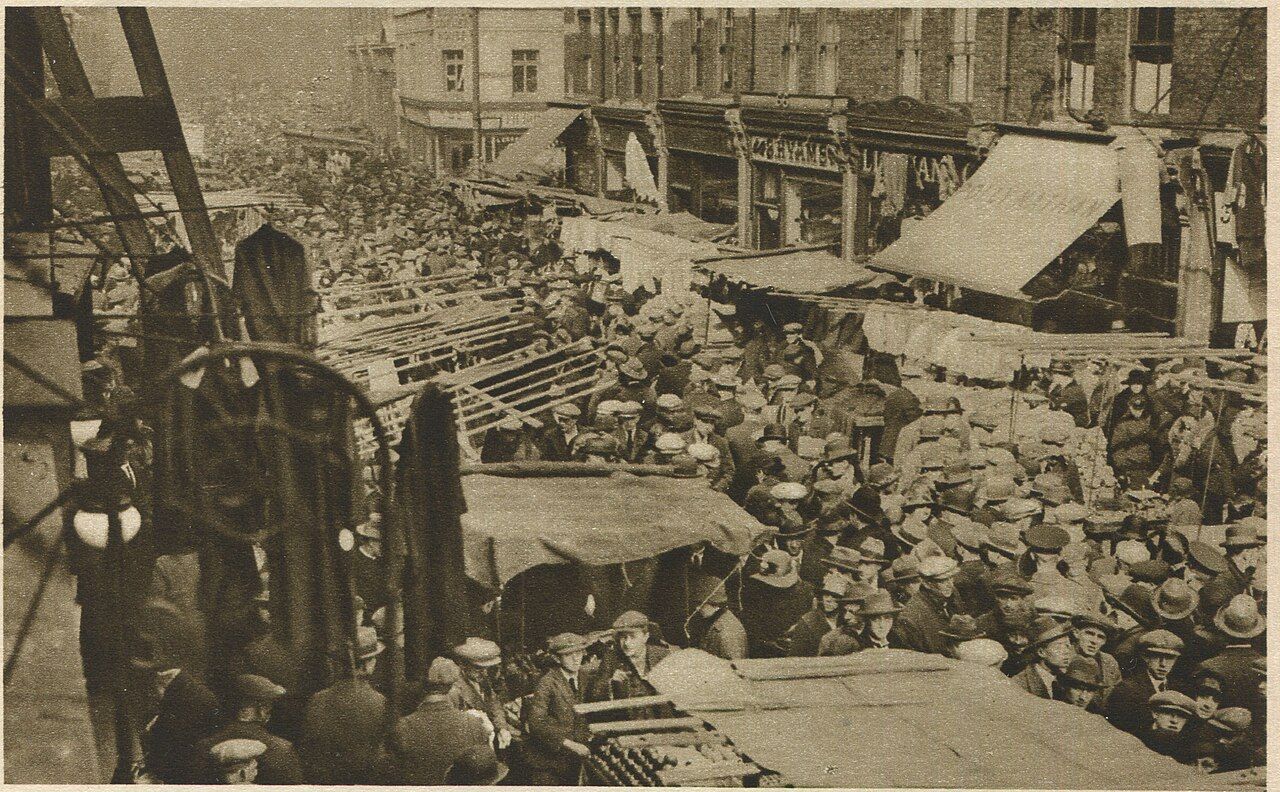
By September 1916, Sam and Dora are married with children, running S. Diamondstein & Co., Fur Dealers and Job Buyers, out of Fashion Street and Fournier Street in Brick Lane — the earliest address of Sam's own business this archive can attest to — home at 34 Alvington Crescent, Dalston. It's a short chapter by letter count, but a real hinge: the courtship-at-a-distance voice of the last chapter gives way here to the provider-from-a-distance voice that defines the next decade, one early letter on that same stationery shows exactly what it sounds like: money enclosed, questions about how the children are growing, and money sent on to Dora's sister too. The gap driving it is much shorter now, an ocean no longer stands between them, but it's still real: letters like this one were written while Dora and the children were away from London, most often at the seaside for weeks at a stretch, while Sam stayed behind running the shop and came down to visit when the business allowed.
The courtship-at-a-distance voice of the last chapter gives way here to the provider-from-a-distance voice that defines the next decade.
How the Mail System Worked When Phones Weren't Common (1916–1926)
It's worth pausing here on how this whole correspondence was even possible, because the answer isn't obvious from a modern vantage point. Home telephones were genuinely rare and expensive through this entire period, ownership was mostly confined to businesses and the wealthy, and a basic public call-box cost thirteen pounds to install as late as 1925. Private domestic telephones didn't become commonplace in ordinary households until well after the Second World War. Against that backdrop, the 118-plus-letter archive contains only a small handful of personal telephone mentions across more than four decades: in August 1924, Sam writes that he'll phone Dora “today from auntie's”, not from his own home, but by walking to a relative's house to use hers; a near-identical line in a 1921 letter (its exact wording contested between transcription passes); a 1926 letter from Paris asking a colleague to phone a third party on his behalf; and an undated Berlin-trip fragment asking that his telephone messages be relayed to him daily while away. Business letterheads from the same years do print telephone numbers — the business itself was reachable by phone — but every personal mention in Sam's own hand describes phoning from, or through, somewhere other than his own home. That pattern, not a bare count, is the real evidence that a home telephone stayed out of reach for this family well into the 1920s, even for a comparatively comfortable London business household.
What made letters work instead was a postal system fast enough to make the absence of a phone a non-issue. Early-1900s London had four postal deliveries a day, the last as late as 9:30pm, routine enough that a letter posted in the morning could get a reply the same evening. That infrastructure explains why the correspondence reads the way it does: near-daily when Sam was away buying fur, weekly clockwork during the seaside years still to come, without any sense of a long wait for a reply. The corpus even shows a deliberate two-tier system underneath that rhythm, a quick, cheap postcard for a fast update, a proper letter reserved for anything that needed more room, with at least one letter explicitly correcting a family member's assumption that a postcard and a letter were the same thing.
Sam Watches a Zeppelin Being Shot Down (2–3 September 1916)
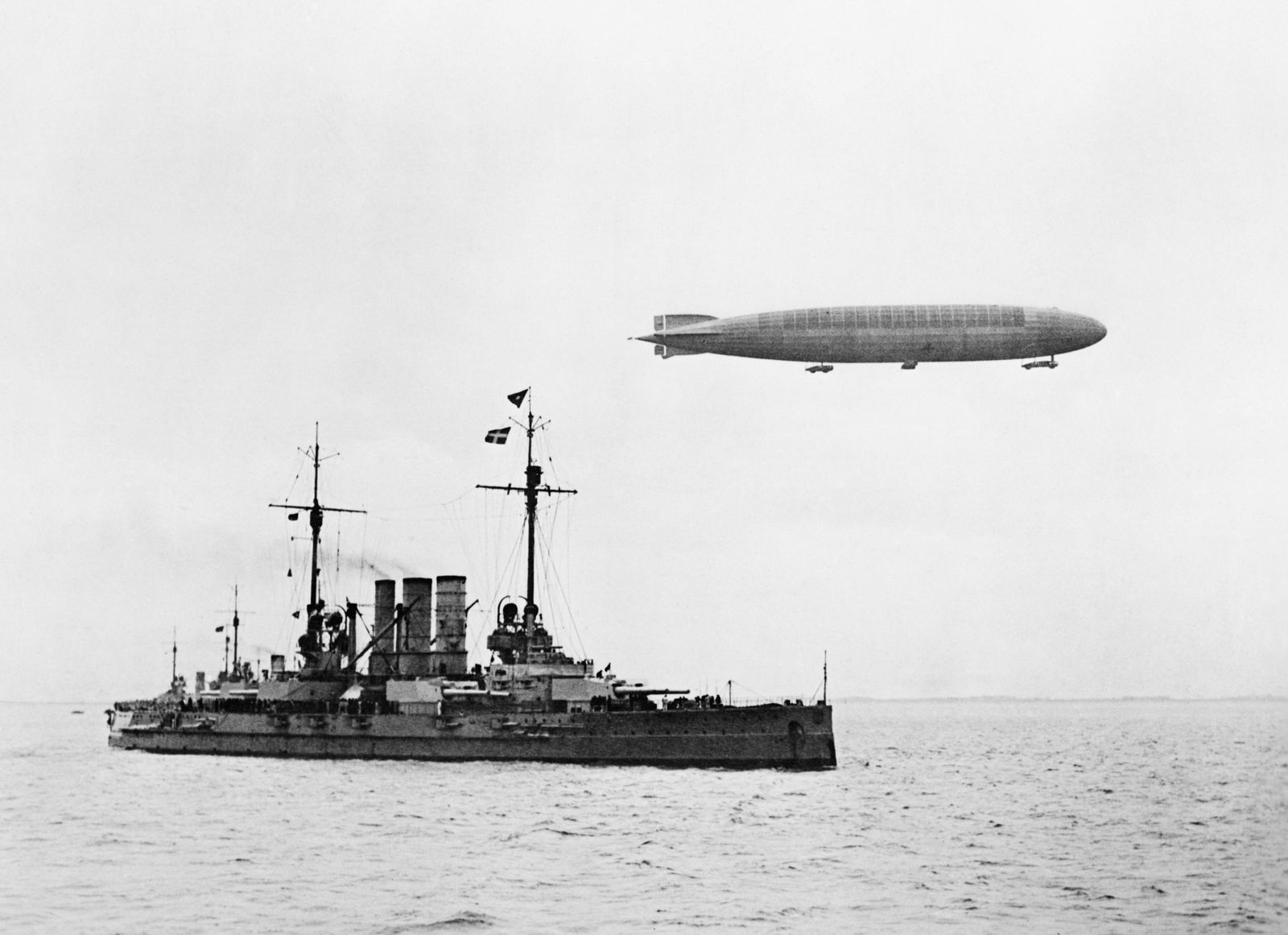
Just once, an ordinary letter home runs straight into history. Sam mentions that he and his friend John watched a German Zeppelin shot down over Cuffley, Hertfordshire, “it was a fine sight”, then returns to asking after the kiddies at the seaside, in the same letter.
A German Zeppelin shot down was a "fine sight."
The largest, most repetitive stretch of the corpus: Dora and the girls sent to the coast for weeks while Sam works in London and on fur-buying trips to Paris and Leipzig, writing a weekly cheque and the same anxious questions.
The Family Retreats to the Seaside While Sam Works in London and Takes Business Trips to the Continent (1919–1926)
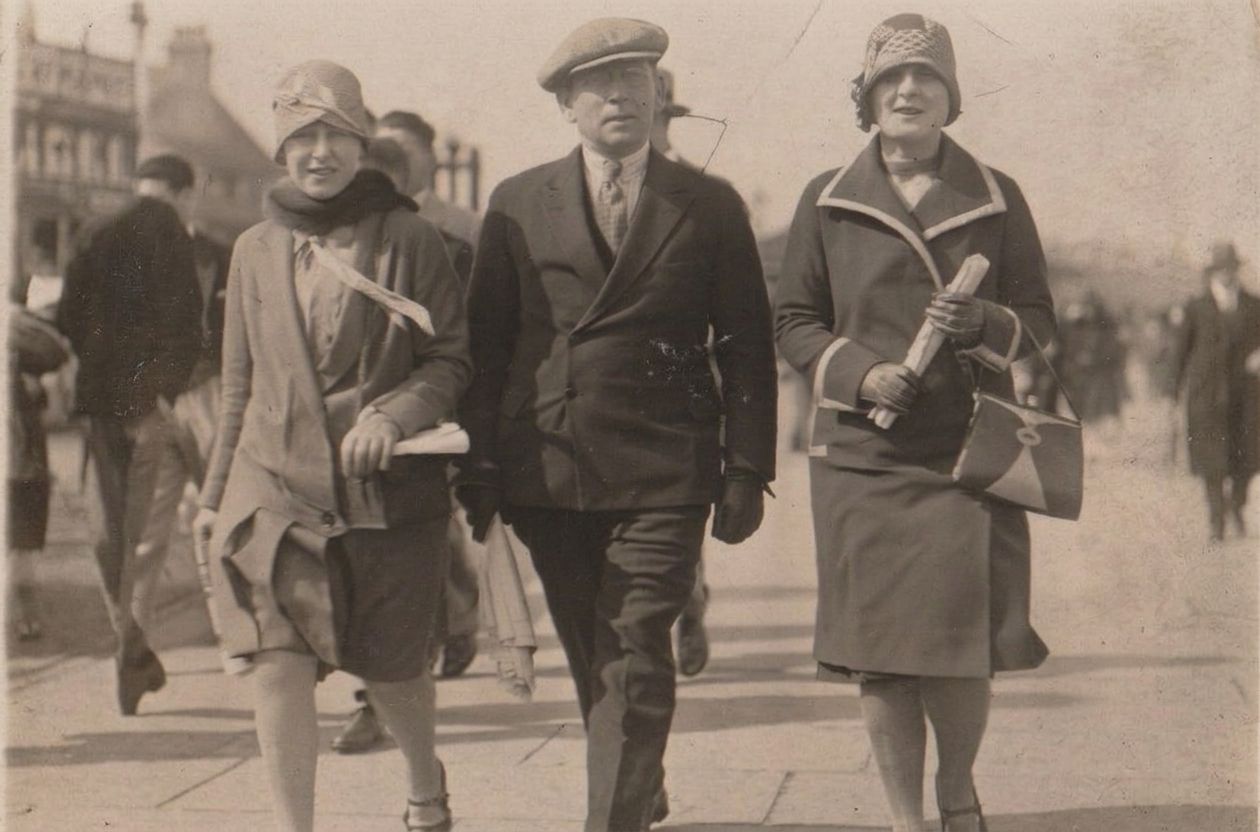
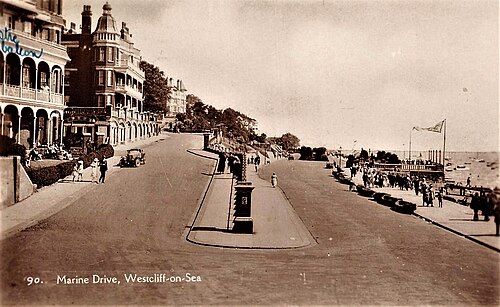
Dora and the girls summer at the English seaside for weeks at a stretch, Margate, Ramsgate, Westcliff, Bournemouth — a health retreat from London's air, by family account — while Sam works London and buys fur on the Continent. Every summer, Dora and the girls went to the coast for a stretch. And on his buying trips Sam was away a few days at a time, and wrote home while he was gone.
One letter that summer is addressed to both daughters by name, Gladys and Beaty, scolding them for upsetting their mother at Ramsgate, on a report relayed by Auntie Sarah.
Through these years, Sam's letters settle into a steady rhythm: a cheque folded into an envelope, then the same handful of questions about the children, the weather, whether they're behaving, asked and answered, week after week, for the better part of a decade.
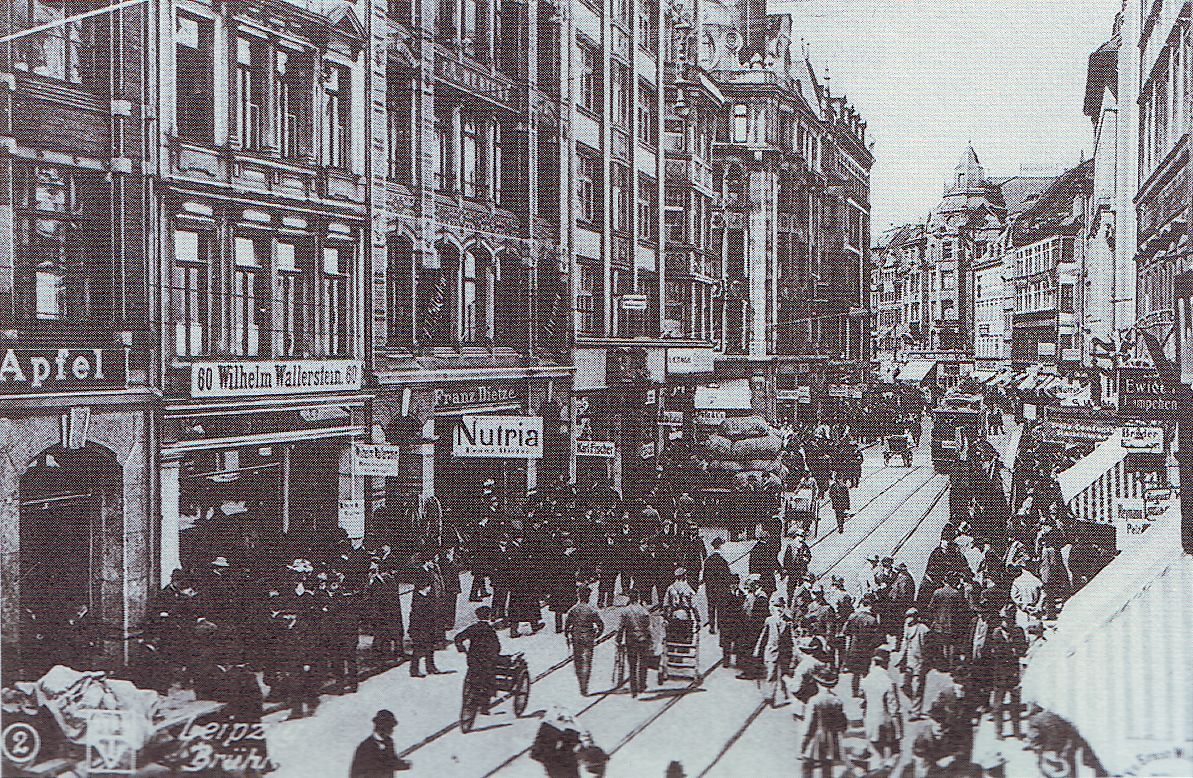
The business, meanwhile, becomes genuinely wealthy. By the 1920s Sam is buying pelts by the thousand on regular trips to Paris and Leipzig, ninety stone martens and three thousand dyed moles in a single afternoon, cheap enough to sell at a steep markup back home. The boy who once earned twenty-five cents a day in Montreal was, twenty years on, moving more money in an afternoon than most of Montreal ever paid him in a year. A September 1921 trip has him writing from the Grand Hôtel du Pavillon in Paris, business apparently going well enough to allow an afternoon off: "Paris is a fine place; I have been to a Turkish bath this afternoon."
Sam's Surviving Furs
Surviving pieces from Sam's own fur stock, passed down in the family, real trade goods behind the letters' talk of pelts and prices.
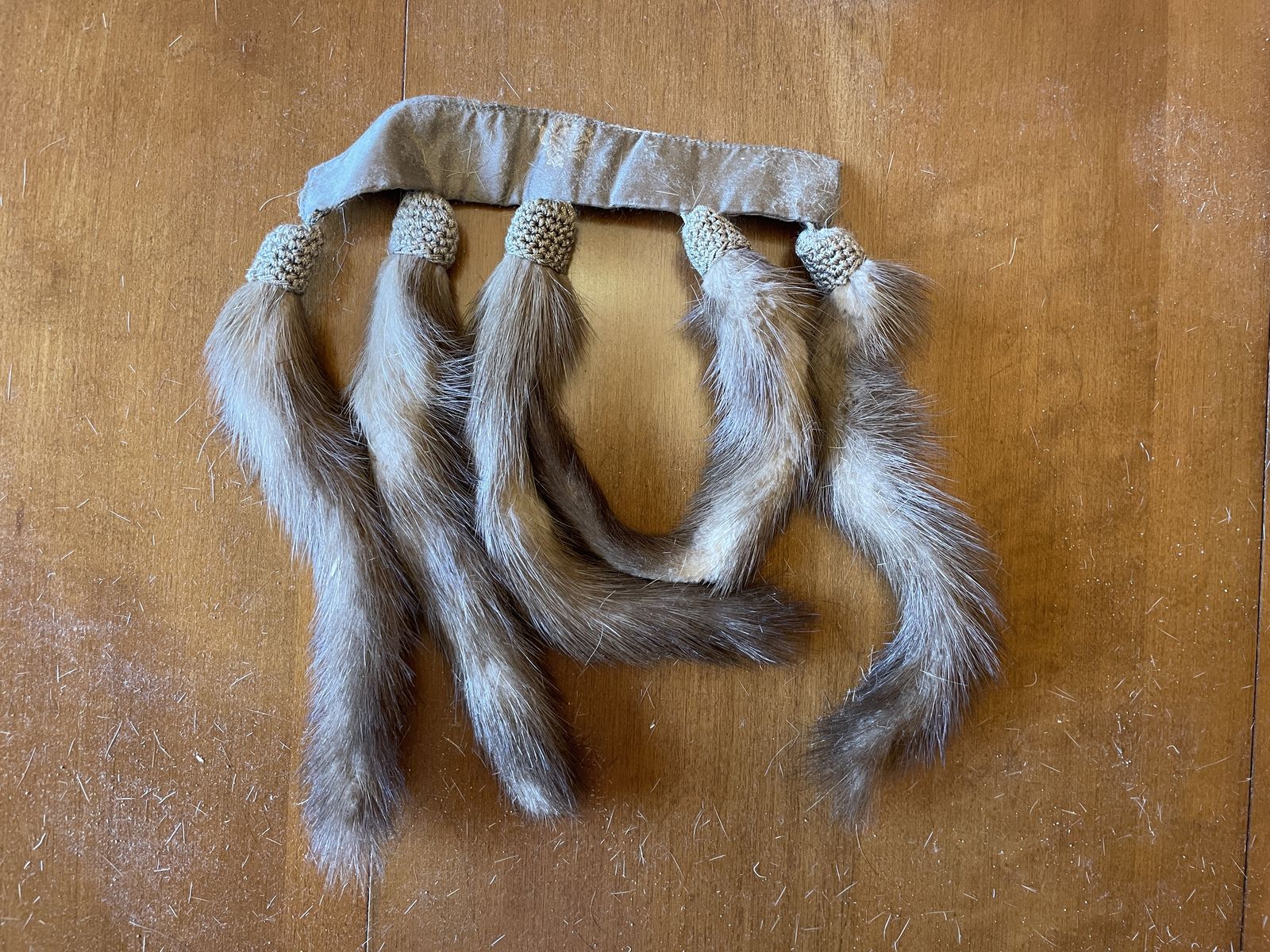 From Sam's fur business · undatedA Fringe of Fur TailsA trim of fur tails, mink or marten, still mounted on its original band, one of several surviving pieces passed down in the family from Sam's own stock.
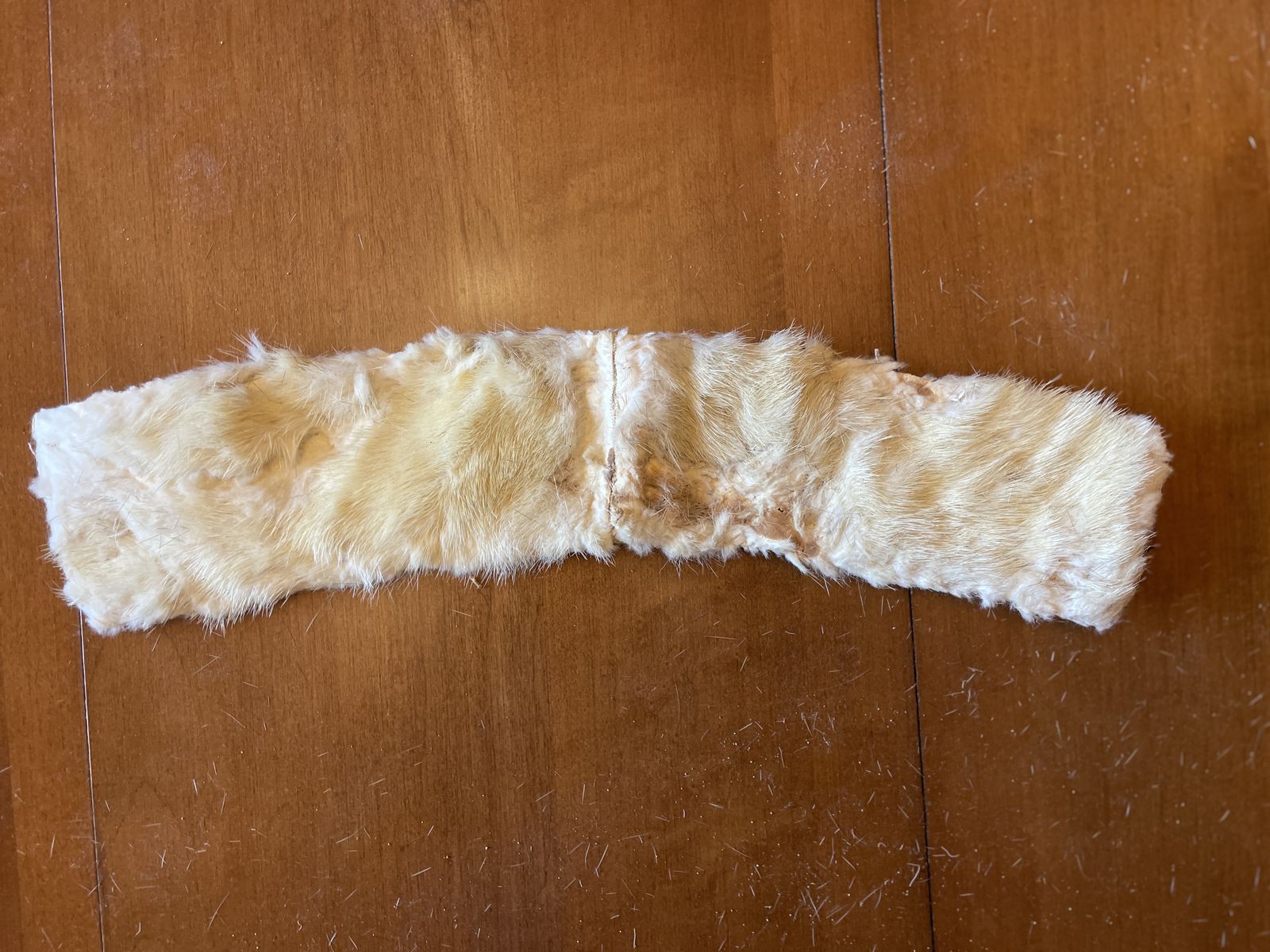 From Sam's fur business · undatedA Cream Fur CollarA cream-colored fur collar or trim strip, seamed at the center, the same trade Sam describes buying "by the thousand" in his own letters.
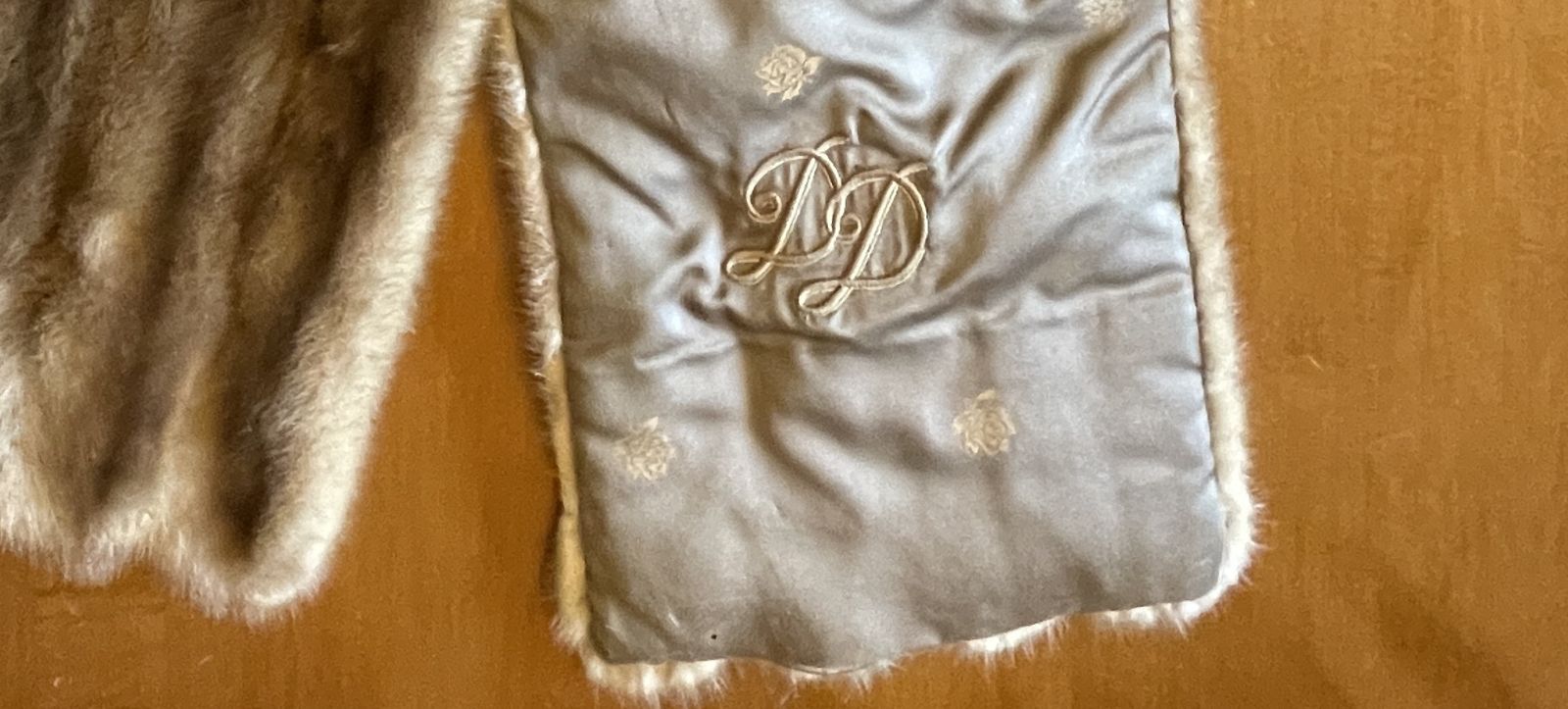 Lined and monogrammed "DD" · undatedDora's StoleA fur stole lined in rose-embroidered satin, monogrammed "DD," for Dora Diamondstein.
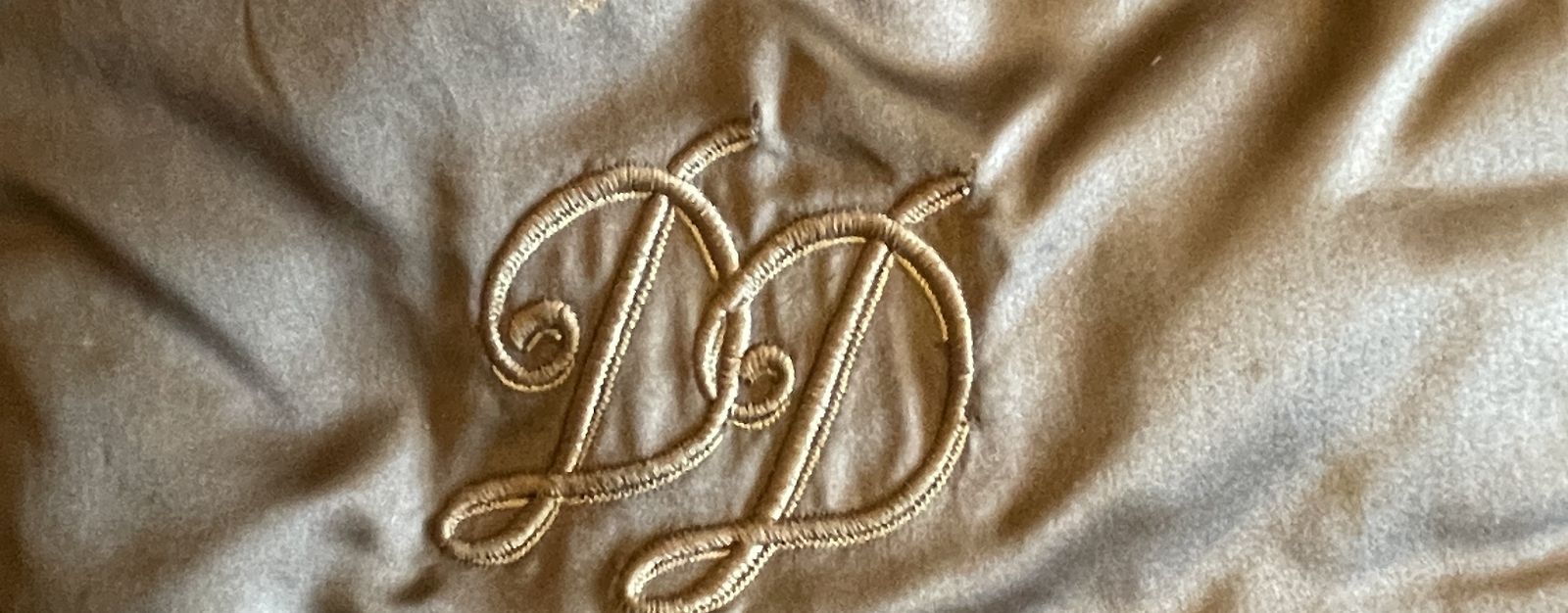 Detail, the same stole · undatedThe DD MonogramA closer look at the same monogram: Dora's own initials, embroidered into the lining of a fur her husband's business made.
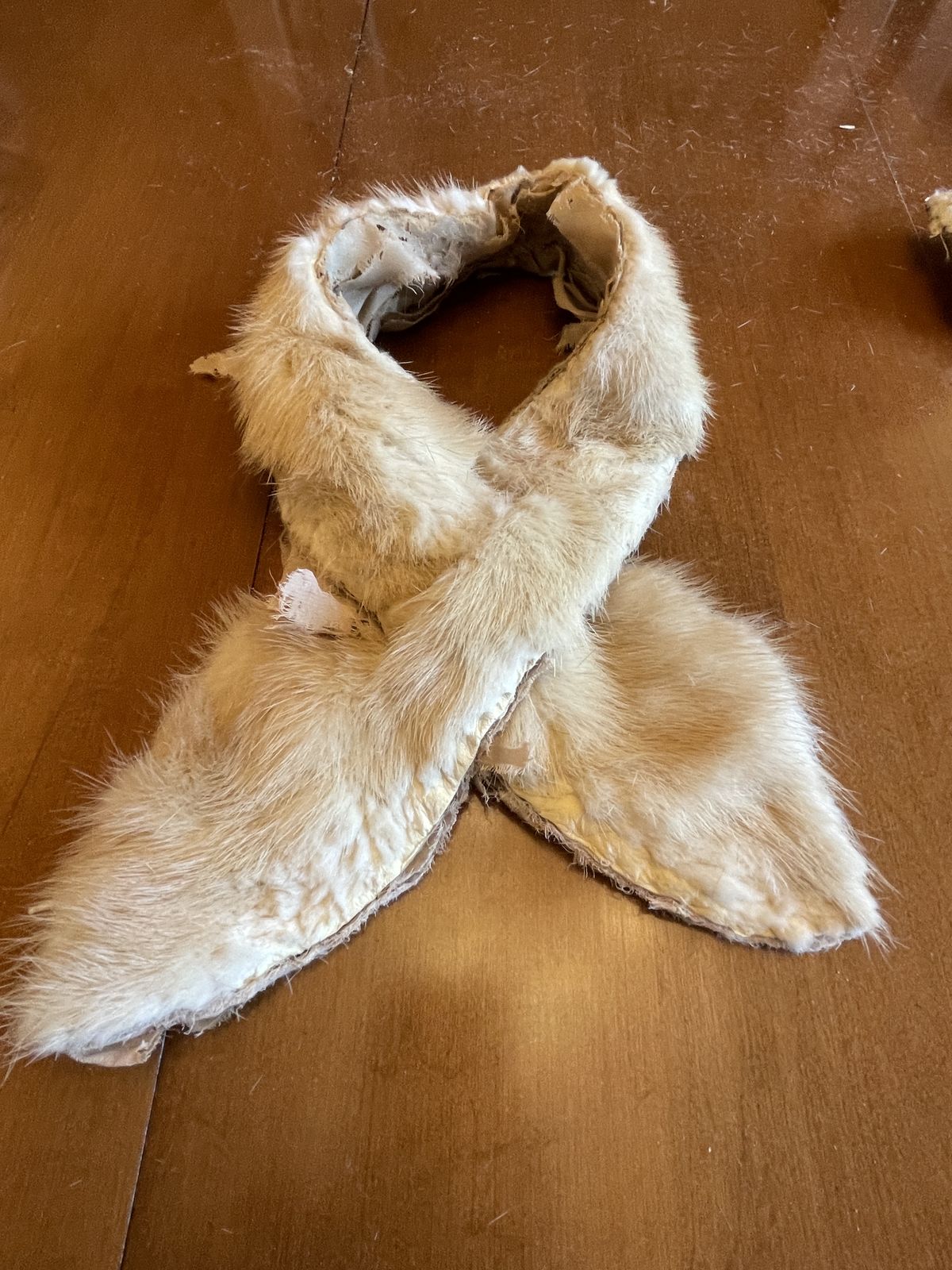 From Sam's fur business · undatedA Cream Fur MuffA cream fur wrap or muff, the interior lining worn soft with age, real stock from the trade the letters describe only in numbers and prices.From Sam's fur businessFrom Sam's fur businessLined and monogrammed "DD"Detail, the same stoleFrom Sam's fur business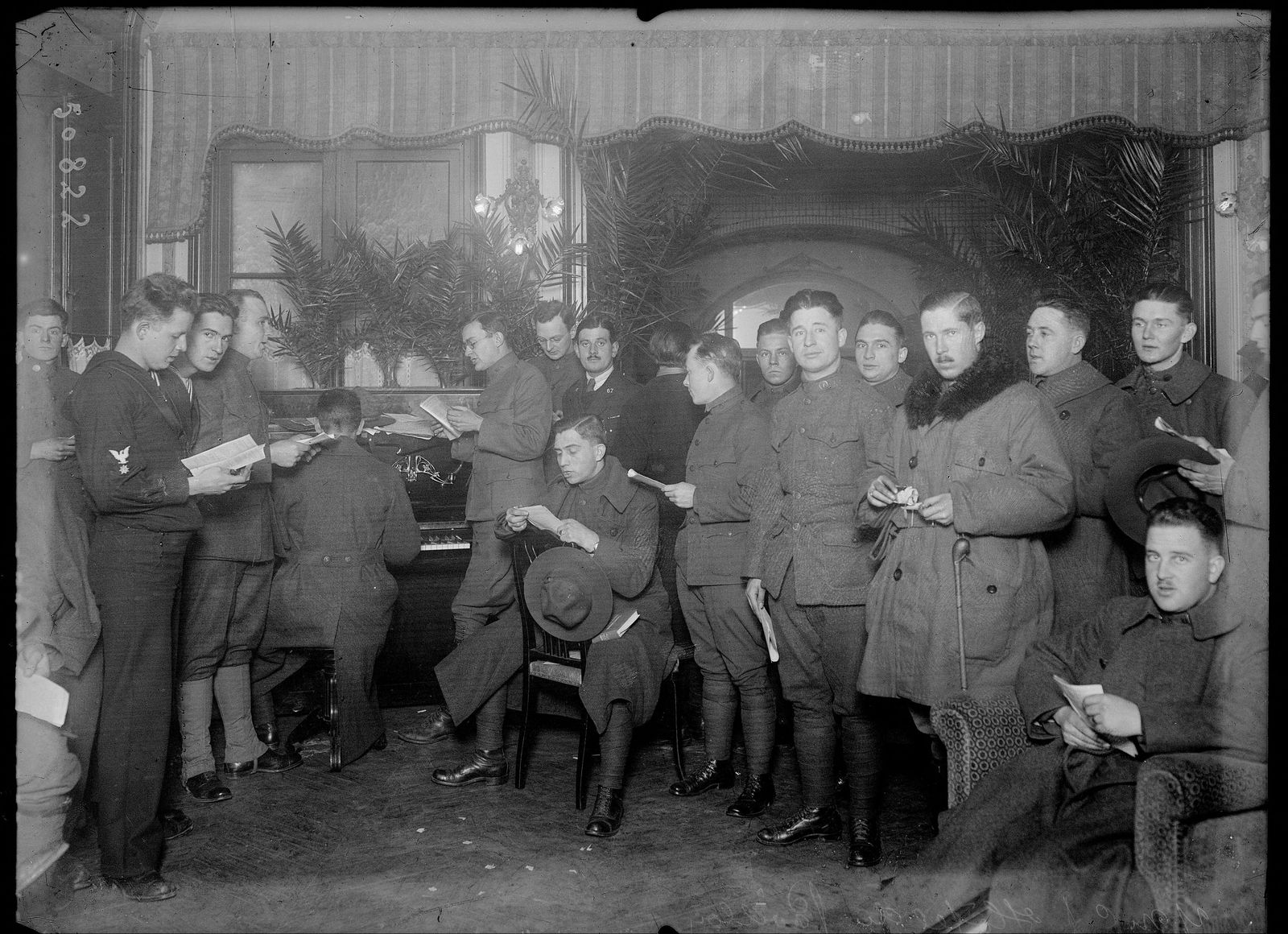
Not every trip was just business. In January 1923, Sam's sister Sonia was hospitalized for an operation in Berlin while he happened to be there buying stock, one of the few moments in the archive where family and trade share the same page. A second letter from that same visit, likely in Sonia's own hand (the letter itself is unsigned by name), catches the mood: an early translation reads "It pains me that the loveliest time of my life should pass so fast"
Hotel Stationery from the Continent
Letterheads from Sam's fur-buying trips abroad, the actual hotel stationery he wrote home on from Paris and Leipzig.
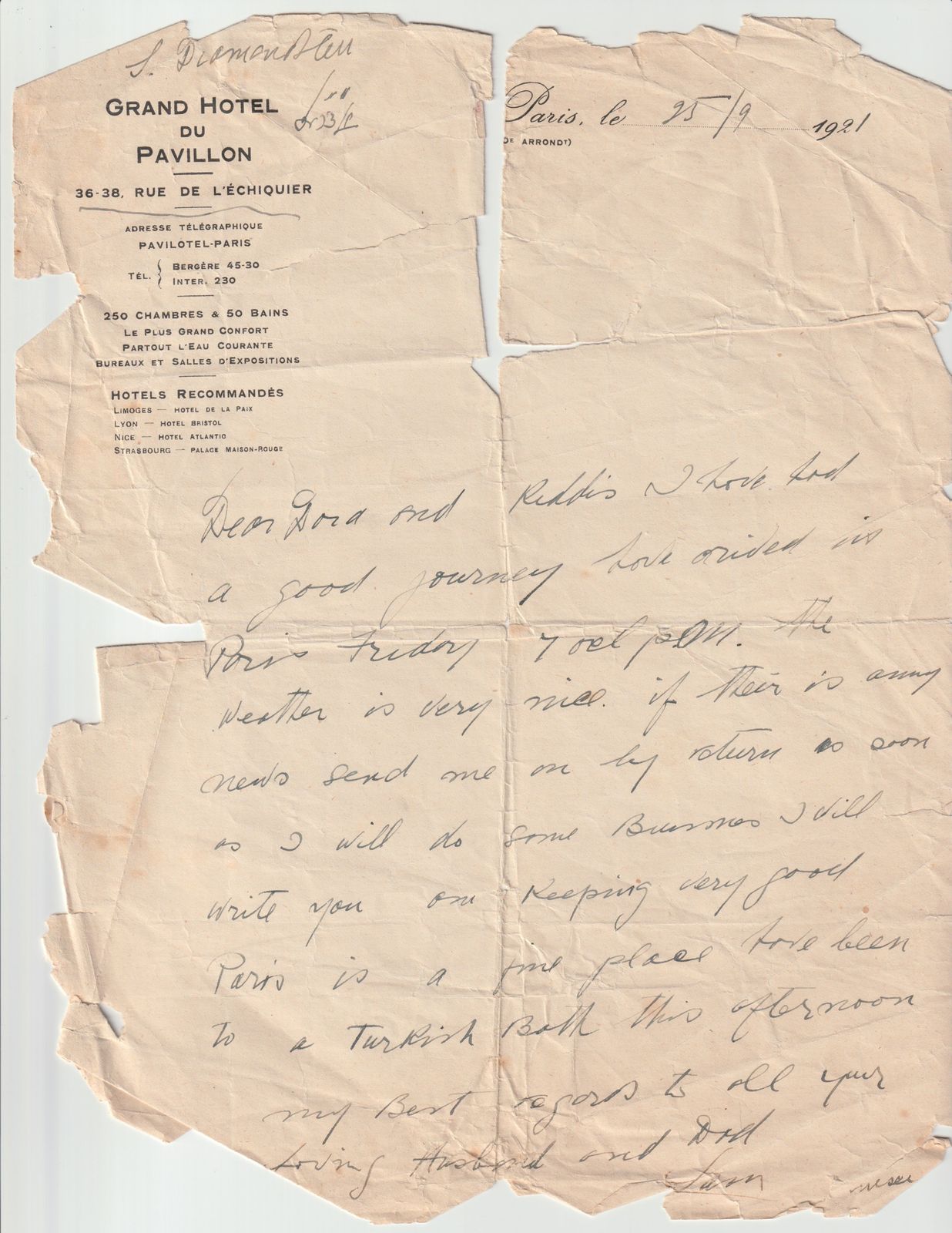 Paris · Sept 1921Grand Hôtel du Pavillon"Paris is a fine place; I have been to a Turkish bath this afternoon." The same hotel photographed above, housing YMCA servicemen in 1917.
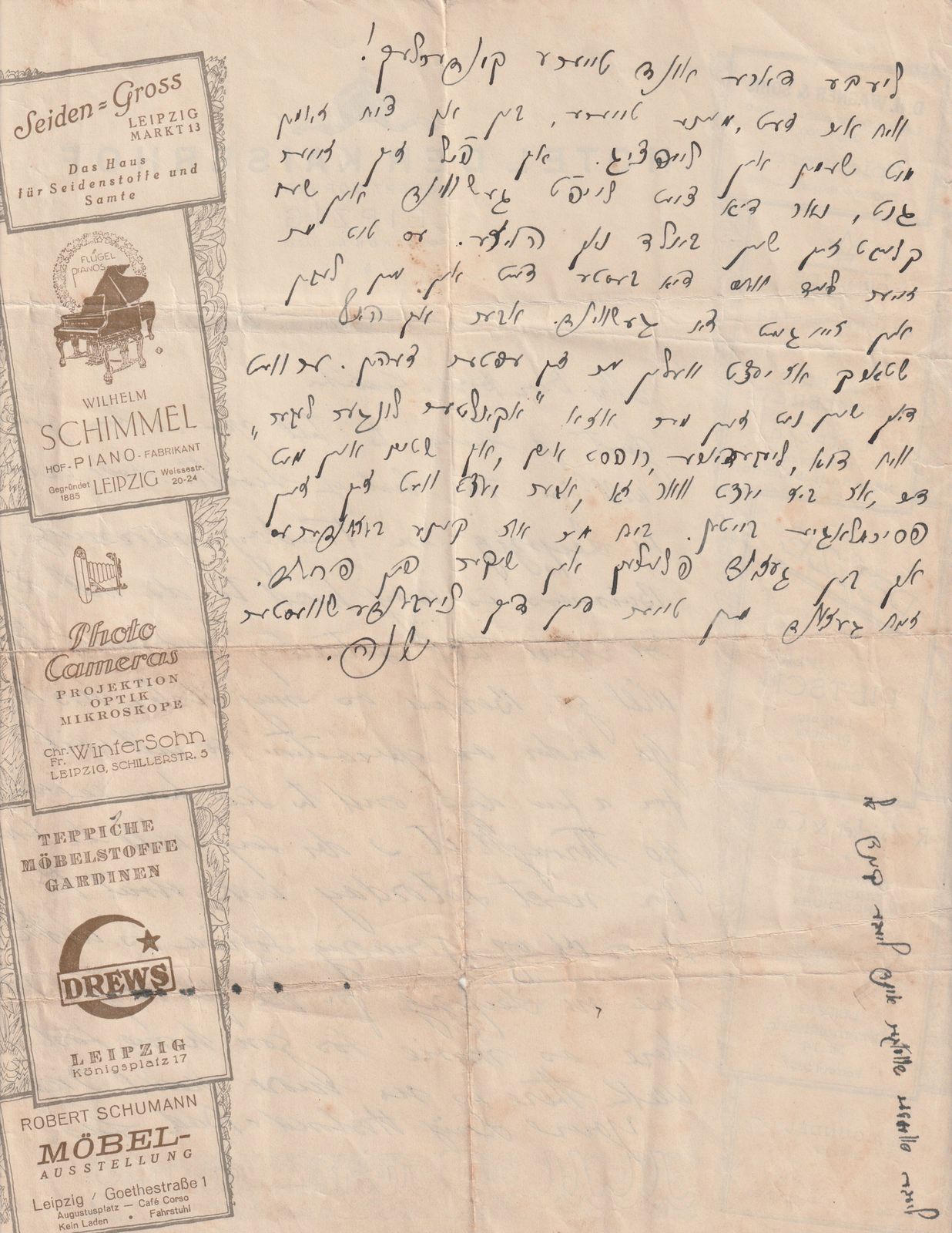 Leipzig · Jan 1923Hotel der KaiserhofThe very letter quoted above, Sonia's "the loveliest time of my life," written during her operation — not on this hotel's own paper, despite the artifact's filename: the scan's own transcription note found no Kaiserhof letterhead visible, only unrelated Leipzig business advertisements printed in the margin.
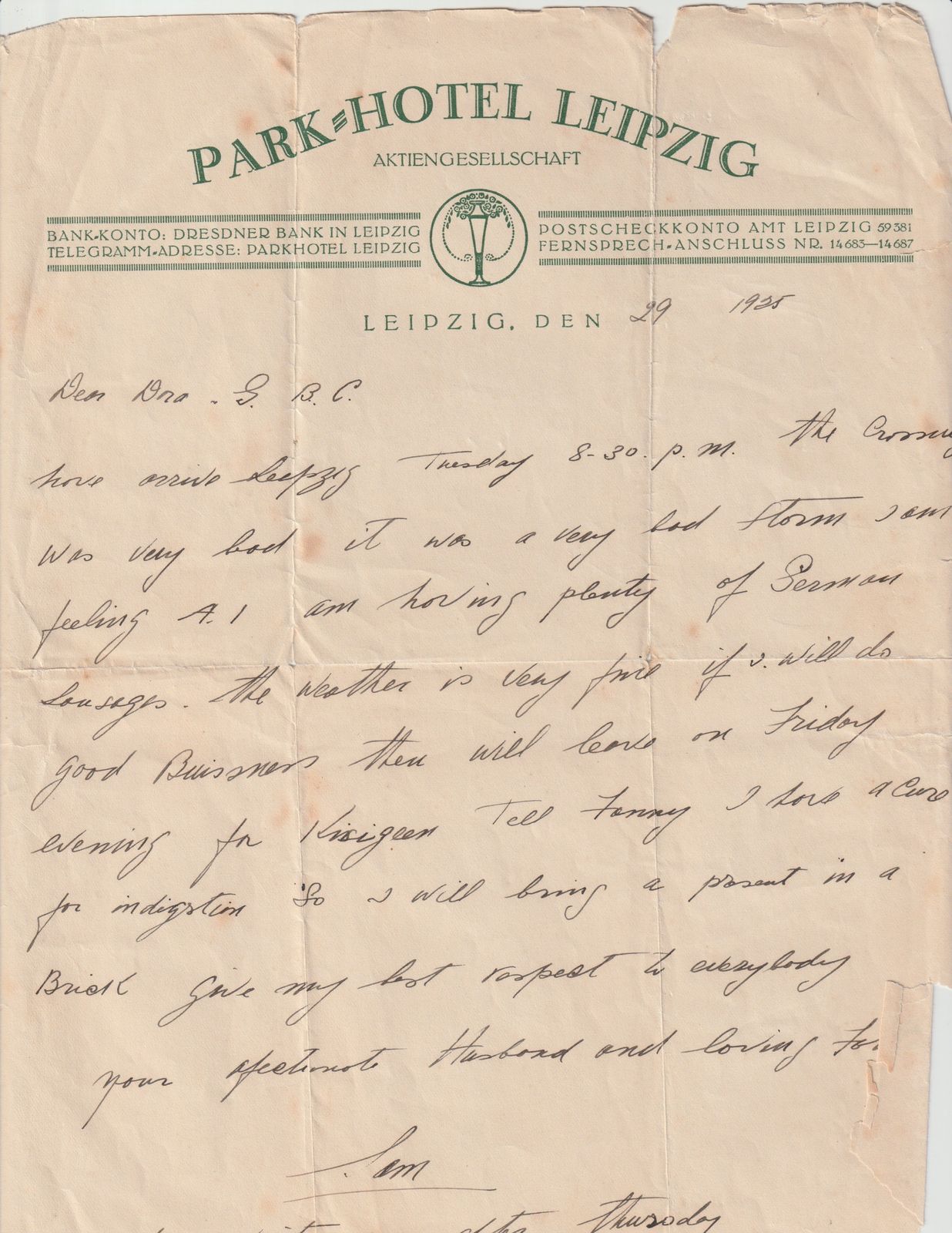 Leipzig · 1925Park HotelWritten after a rough Channel crossing: "The crossing was very bad — it was a very bad storm. I am feeling A-1 and having plenty of German sausages."
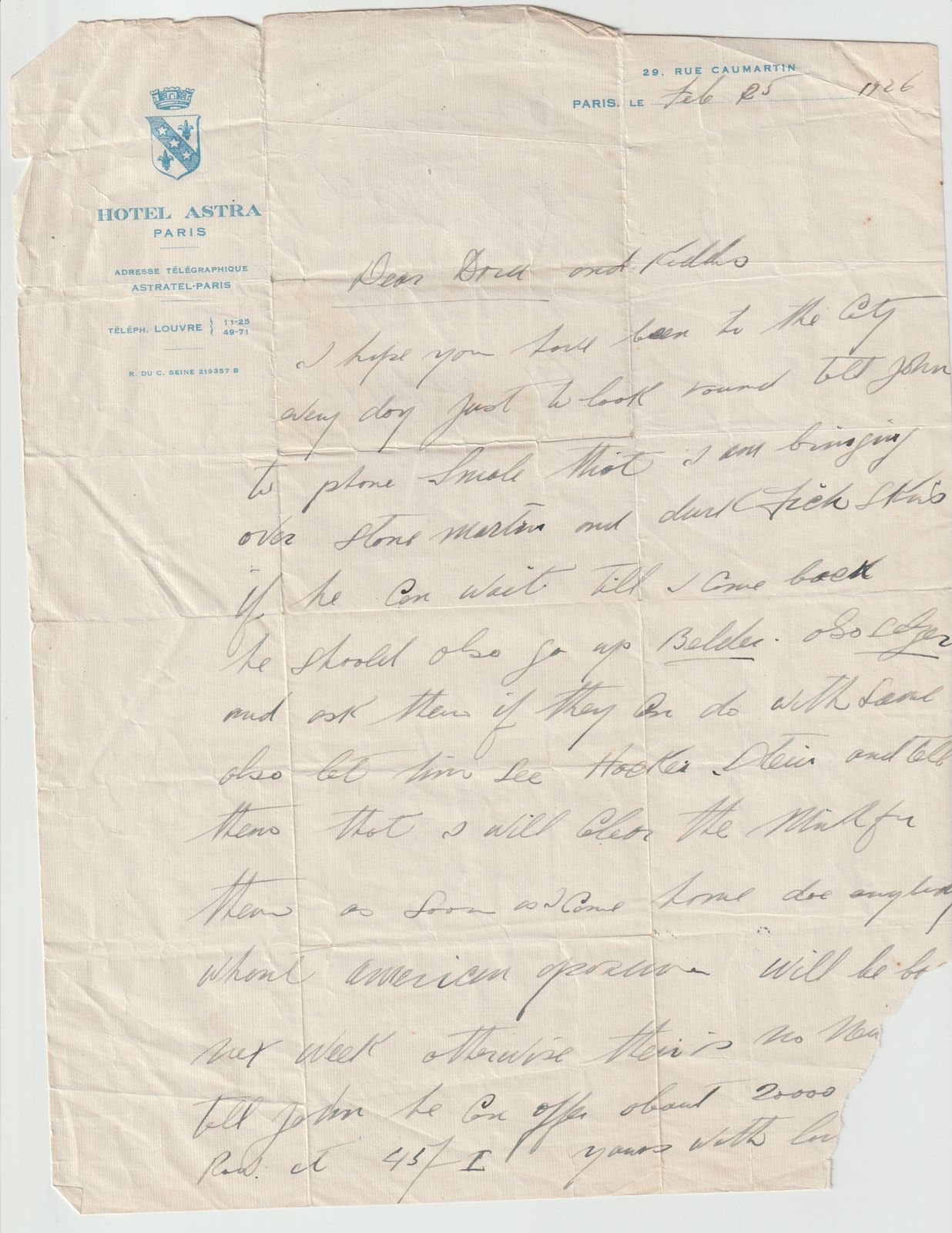 Paris · Feb 1926Hotel AstraBusiness as usual mid-trip, detailed instructions for John on trading skins: "Tell John he can offer about 20,000 rat at 45/-."ParisLeipzigLeipzigParis
The daughters, meanwhile, grow into correspondents of their own. From a Bournemouth boarding house in December 1923, one of them writes home about a card game, needling her father for a promised five-pound note, one of the only letters in this whole archive written in a child's own voice, not Sam's.
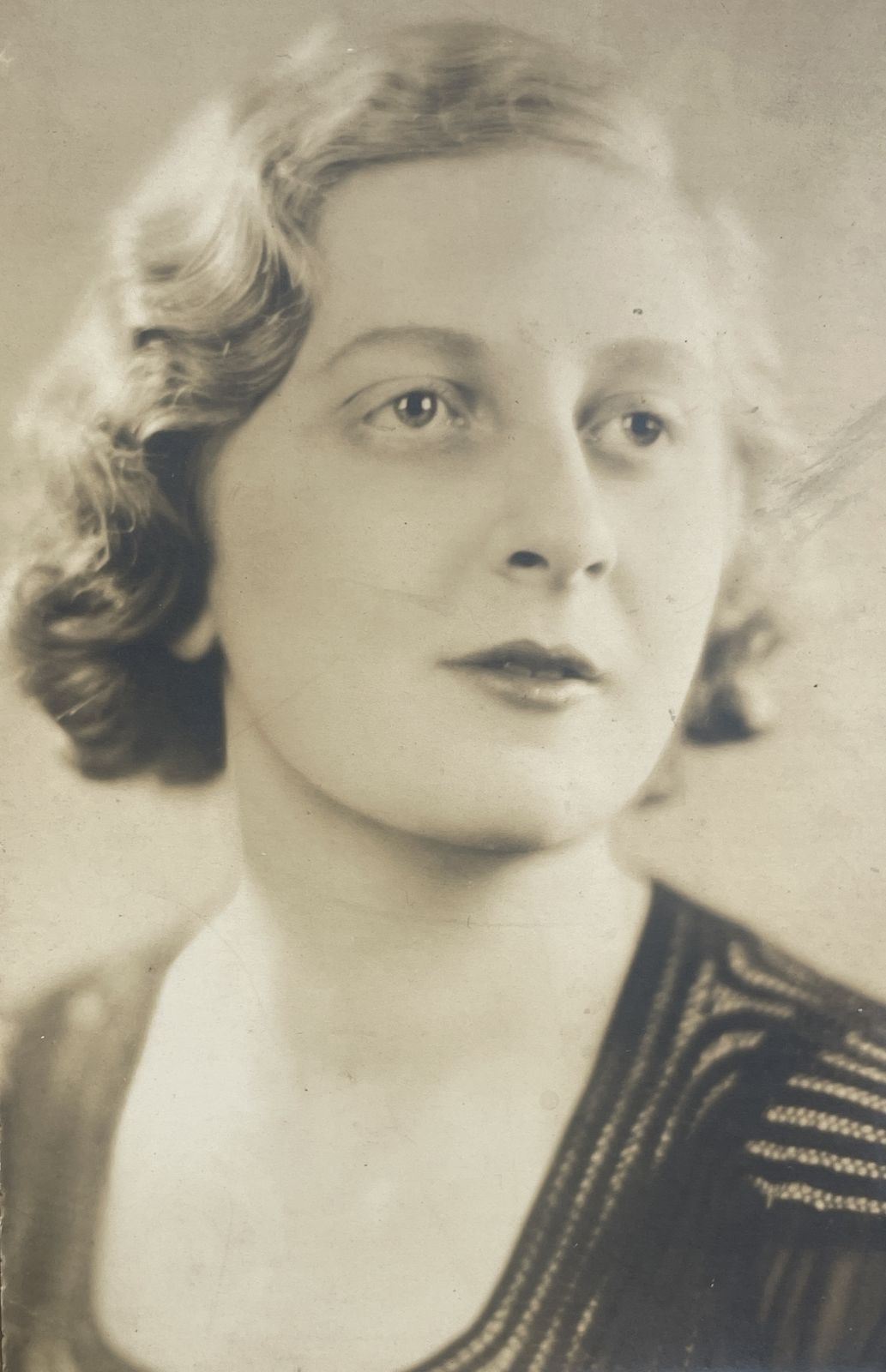
A 1924 letter from Sam's Berlin and Leipzig trip asks after Cynthia by name, half in doubt whether he even has her name right: "How is Cynthia? Have I spelled her name Beaty?" The same trip has a harder edge, too: he presses Dora to chase down a £17 debt through his solicitors, calling the man who owes it "a rotten humbug", the same letter-writer fretting over a child's spelling in one letter and threatening legal proceedings in another, both from the same trip.
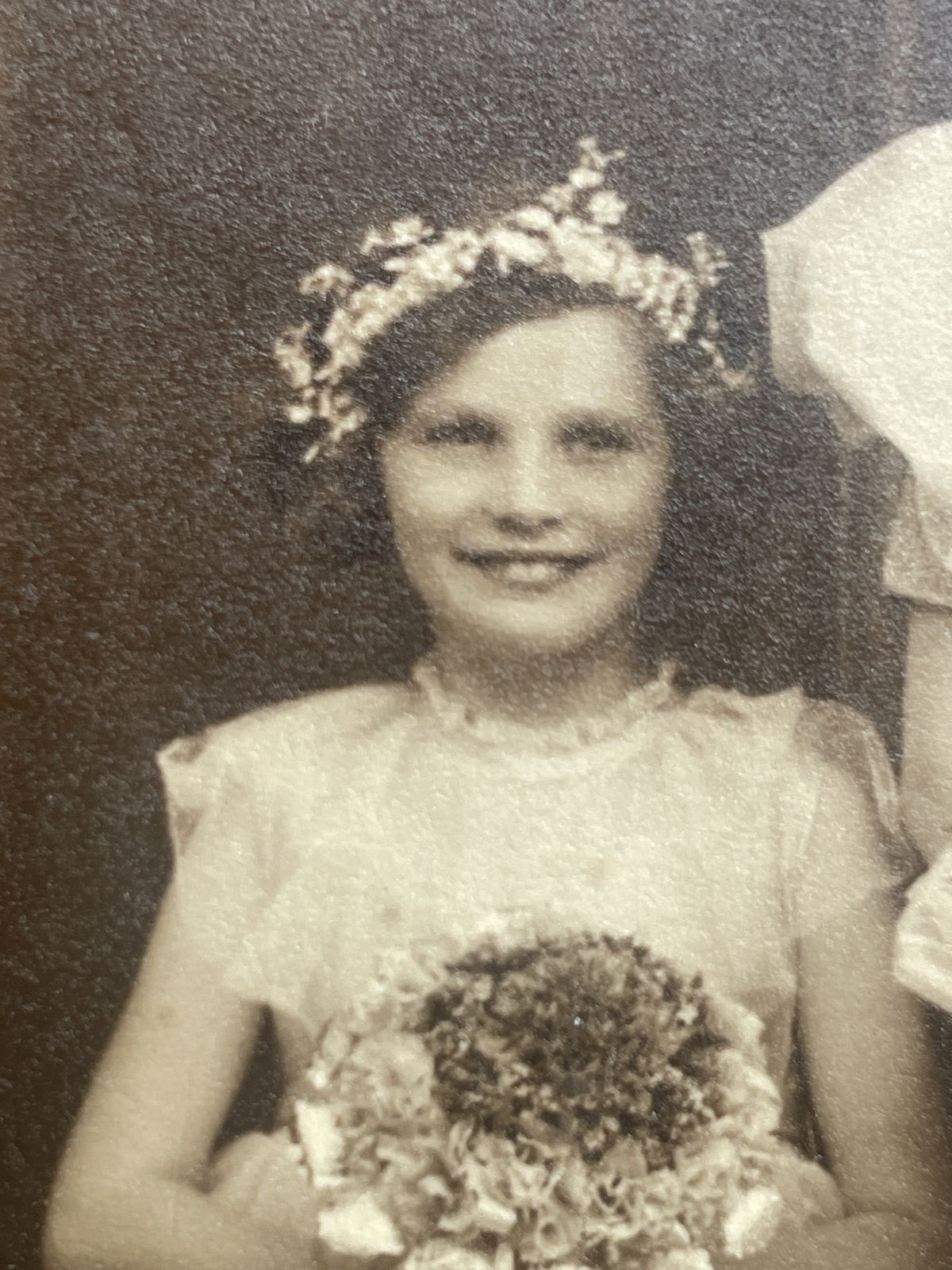
Not every plan came off. In December 1924, Dora backed out of buying a house; Sam took it in stride, and, in the very same letter, swore the family to secrecy about his own goods purchases.
The most telling parts of this story are in what the letters omit, Dora's absent voice, the silence over German politics, the post-1926 paper trail, and in what happened after the letters stop, which survives only as family testimony.
Not every part of this story is in what the letters say. Some of the most telling moments here are in what they don't say.
Why No Letters in This Archive From Dora
Of the 118-plus letters in this archive, Sam is the confirmed author of the great majority. Not one is written by Dora herself. Her side of a decade of daily correspondence, and years after that, simply don't survive, if it was ever kept at all.
Family testimony offers a real explanation, not just an absence. Dora left Latvia for England at fourteen and went straight to work rather than to school, and by her granddaughter Hilary's account, her English reading and writing stayed limited for most of her adult life, she didn't take it up seriously until her eighties, decades after this correspondence, taking lessons alongside the family's au pairs so she could read the newspaper aloud to Sam once his own sight failed. Sam, not Dora, wrote the family's birthday cards. Hilary's own guess is that when a reply did go out in Dora's name, one of the children likely wrote it for her.
Twice, a dozen years apart, Sam learns how Dora is really doing only through someone else, her father Reuven during their courtship, and through her sister Sarah after they were married. In the whole surviving archive, her own feelings never once reach us directly.
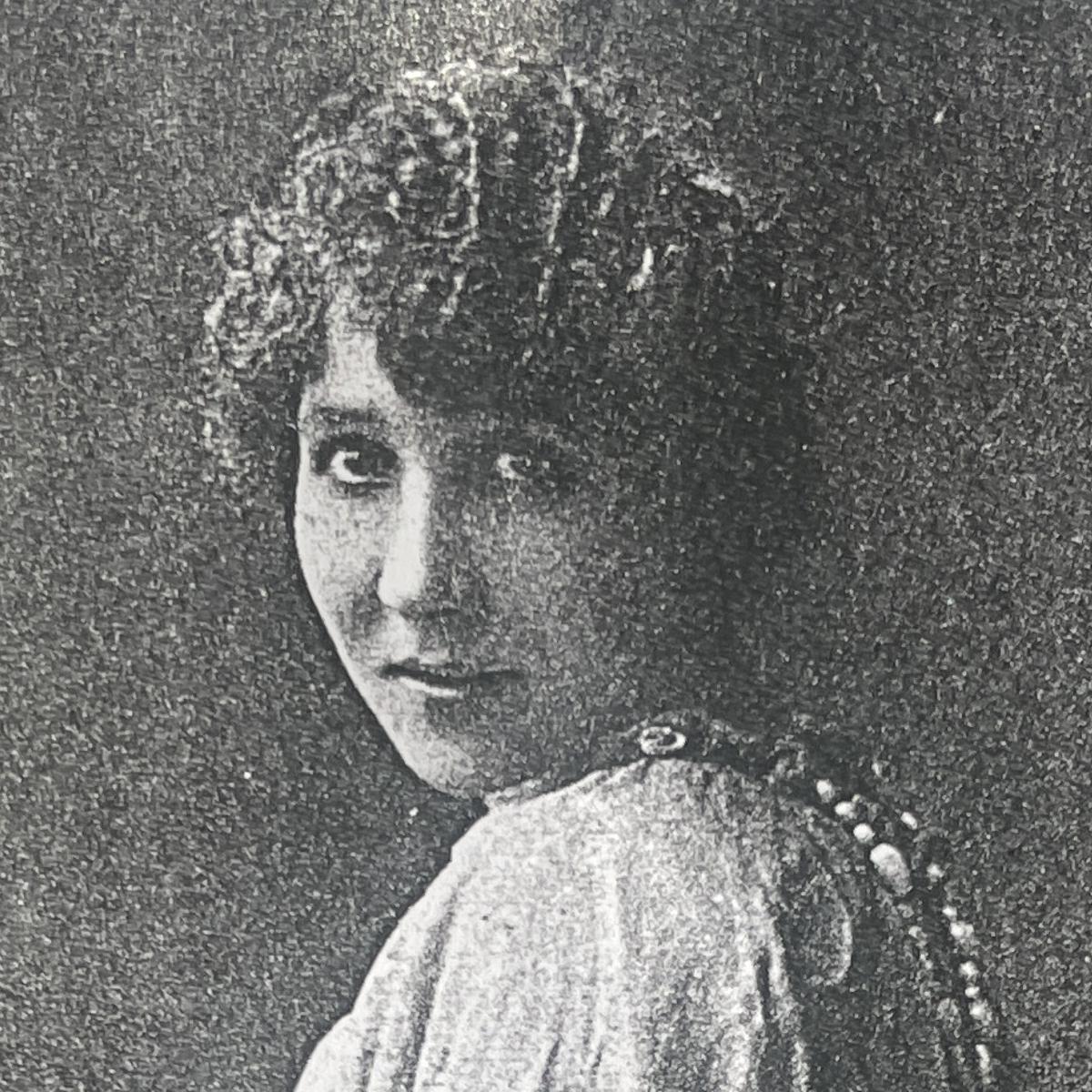
A recurring pattern in Sam's letters to Dora: surprise, or hurt, that nothing has arrived from her. The silence itself became its own kind of news between them.
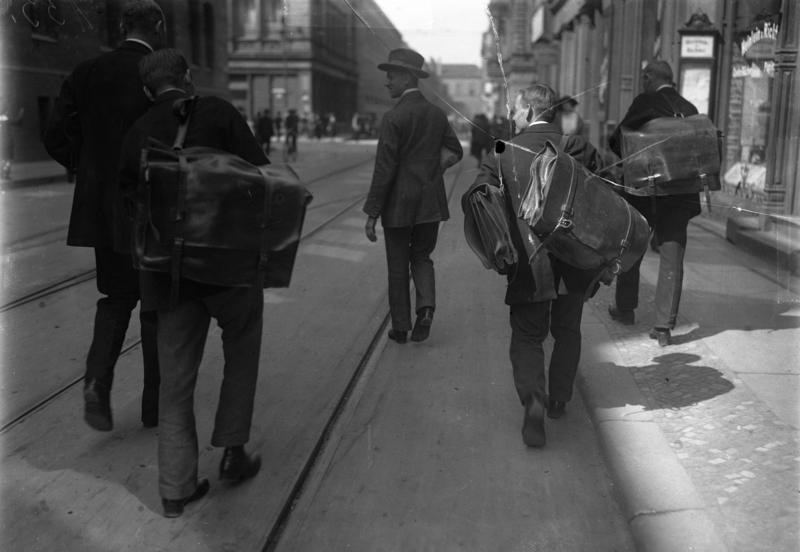
Fourteen of Sam's letters home are written from Leipzig, Berlin, and Hanover; the eight that carry a date all fall between 1922 and 1925, the years of the Weimar Republic's currency collapse. Every one of them talks about hotels, prices, and missing home. Not one mentions politics at all.
Sam and Dora's Later Years (c. 1920s–1970s)
And then, past the reach of any letter, the family's own memory carries the rest. Sam retired early, in his forties or fifties for his health, but retirement didn't mean withdrawal: into his sixties and seventies he still went up to London most days to sit with his old business friends and keep the daily rhythm of the trade long after the trade itself had ended. (This, and everything that follows, is family testimony, not drawn from any letter).
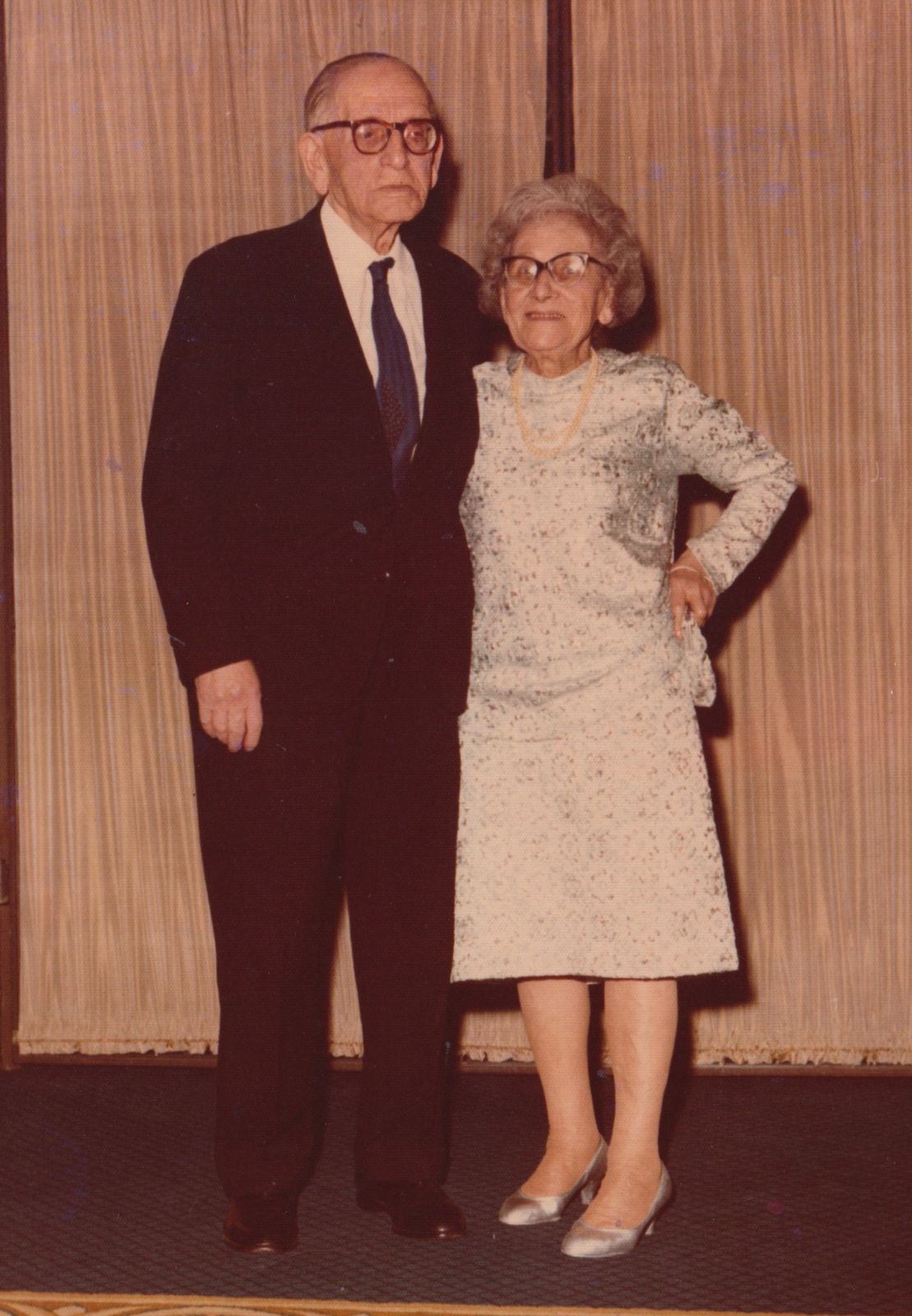
They kept the marriage that a decade of letters had built for sixty more years. By their diamond wedding anniversary in 1971 they had lost one daughter, Gladys, who died in 1951, but gained grandchildren and great-grandchildren. In their later years they moved from Stamford Hill, the family's long-time home turf, out to Edgware, sometime in the early 1970s. Sam died in 1978, Dora in 1984, both in their nineties. The cousins who had courted across an ocean, almost entirely on paper, outlived the letters by half a century.
The family's name never stopped quietly changing shape, and none of this survived to become a project by anything like a straight line.
The Name That Kept Changing (1916–1970s)
One last thread, easy to miss because it plays out across decades rather than inside any single letter: the family's own name never stops quietly changing shape. “Dimantshtein”, Yiddish for “diamond-stone”, is how the family tree itself spells the name; “Diamondstein” was the standard English-language form for decades on Sam's 1916 business letterhead and still in use as late as the 1942 War Damage notice, addressed to “H. Diamondstein, Esq.” A little over two weeks later, at minimum — a piano-shop invoice to the same household already reads “Mrs. Diamond”, the shortened, anglicized form arriving alongside the fuller name, not yet replacing it. Sam himself carries it one step further still, later in life: a business letterhead reading “S. DYMOND, Fur and Skin Merchant,” signed personally to a small child in words that read, as best the faded original allows, as “Great Grandpa and Great Granma Dymond” — marked low-confidence in the transcription, not a certain reading. That child was Paul, this project's own author, and Sam and Dora's great-grandson.
Seven Letterheads, One Changing Name
Seven surviving letterheads and documents tracing the family name as it anglicized over three decades, from "Diamondstein & Co." to "S. DYMOND."
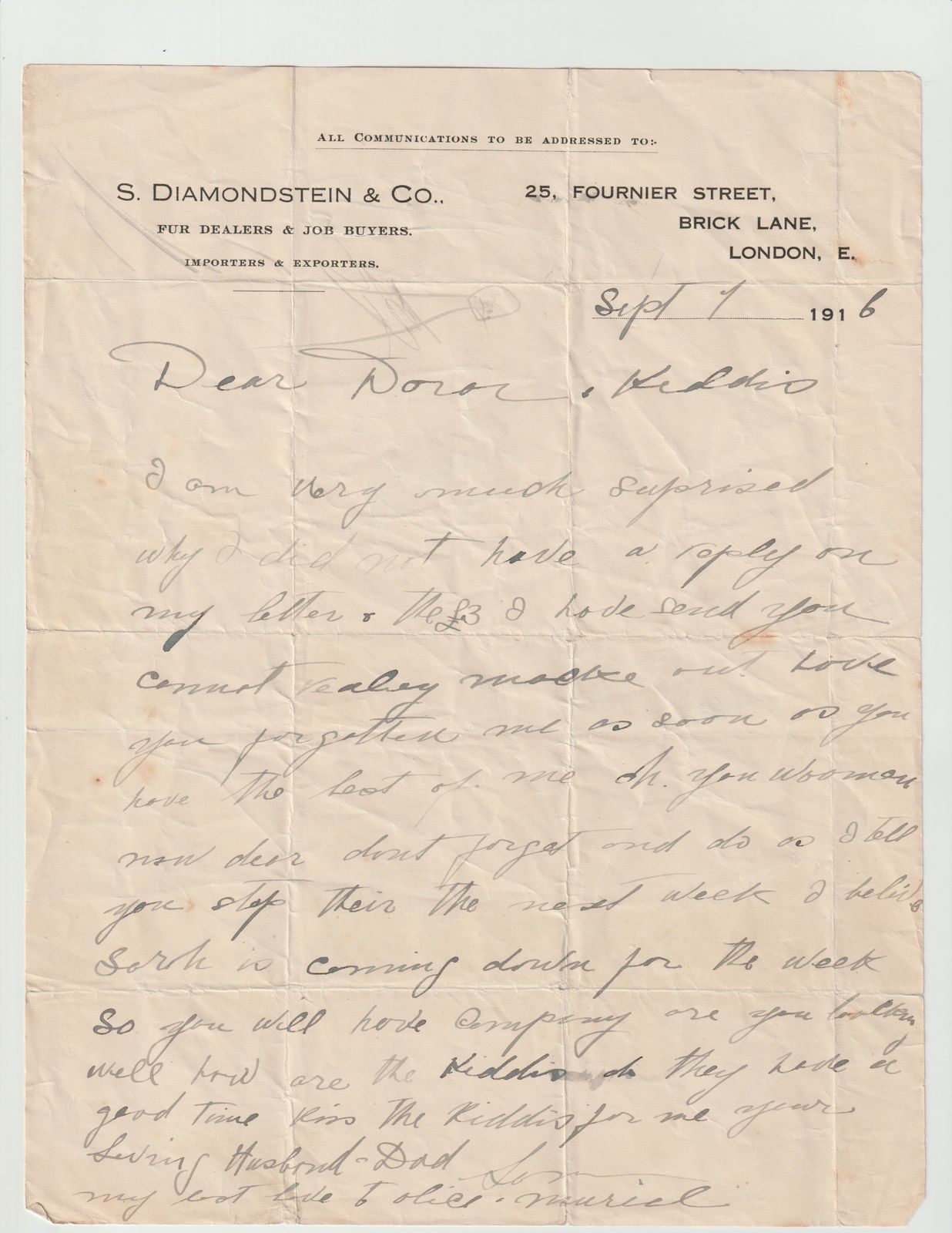 25 Fournier Street, London · Sept 1916Diamondstein & Co.The full "& Co." form of the name, one of two London addresses Sam used at the time -- not the earliest printed letterhead in the archive overall (two 1910 Dean & Felkoff letterheads predate it), but the earliest under Sam's own business name.
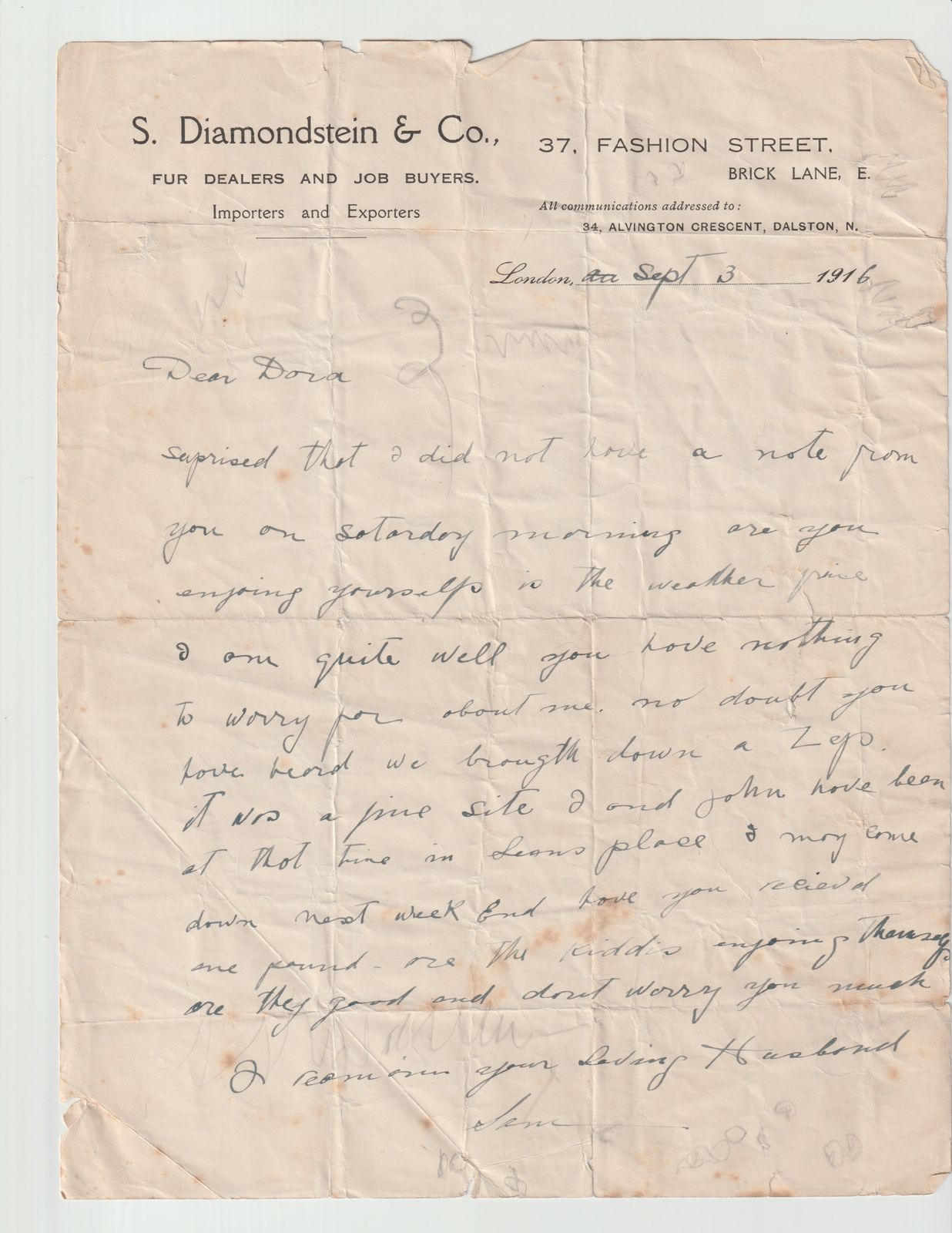 37 Fashion Street, Brick Lane · Sept 1916S. Diamondstein & Co.The Fashion Street address, written around the same time Sam watched a Zeppelin come down over Cuffley, Hertfordshire.
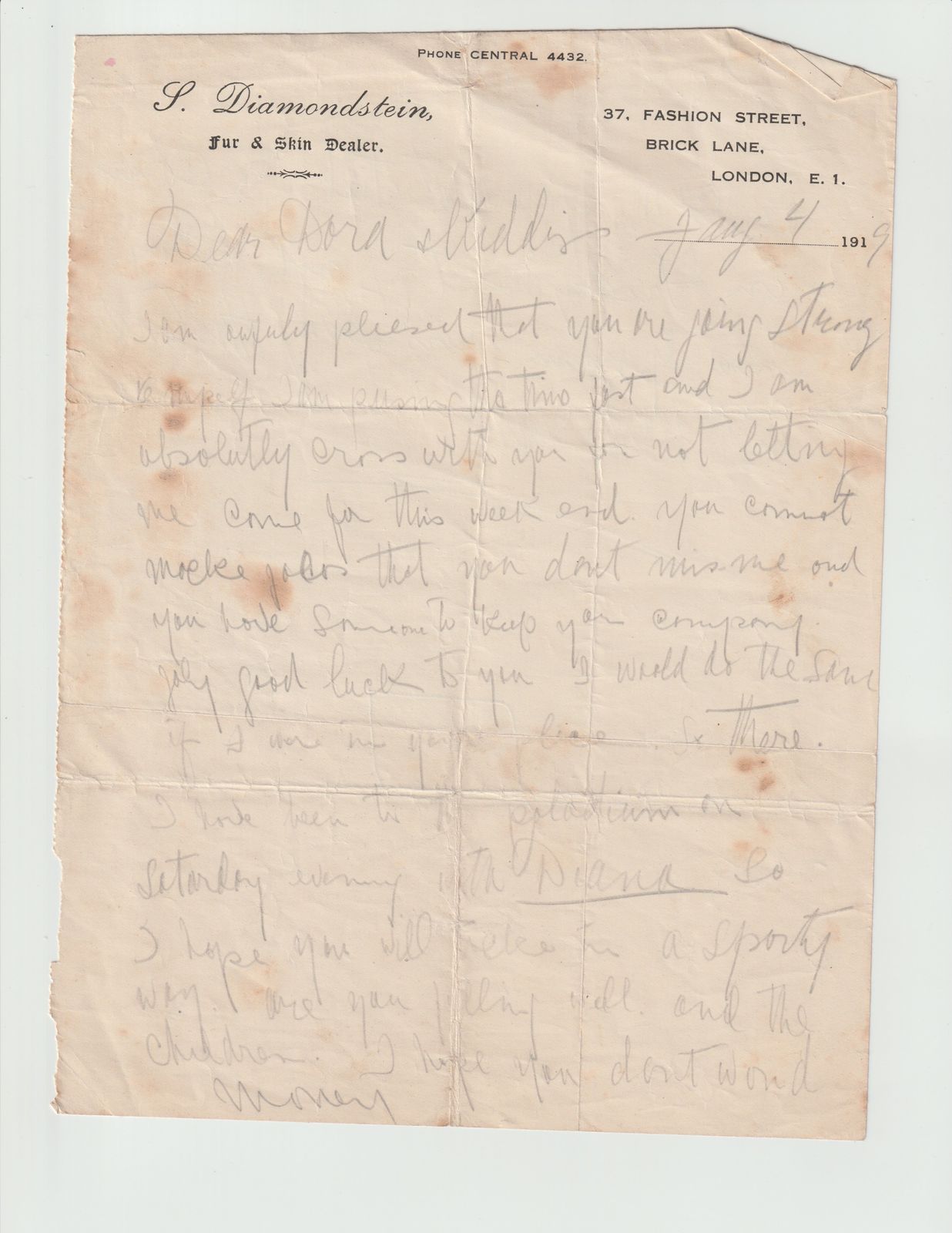 37 Fashion Street, Brick Lane · 1919S. Diamondstein, Fur & Skin DealerBy 1919 the "& Co." is gone, Sam trading under his own name alone, still at Fashion Street.
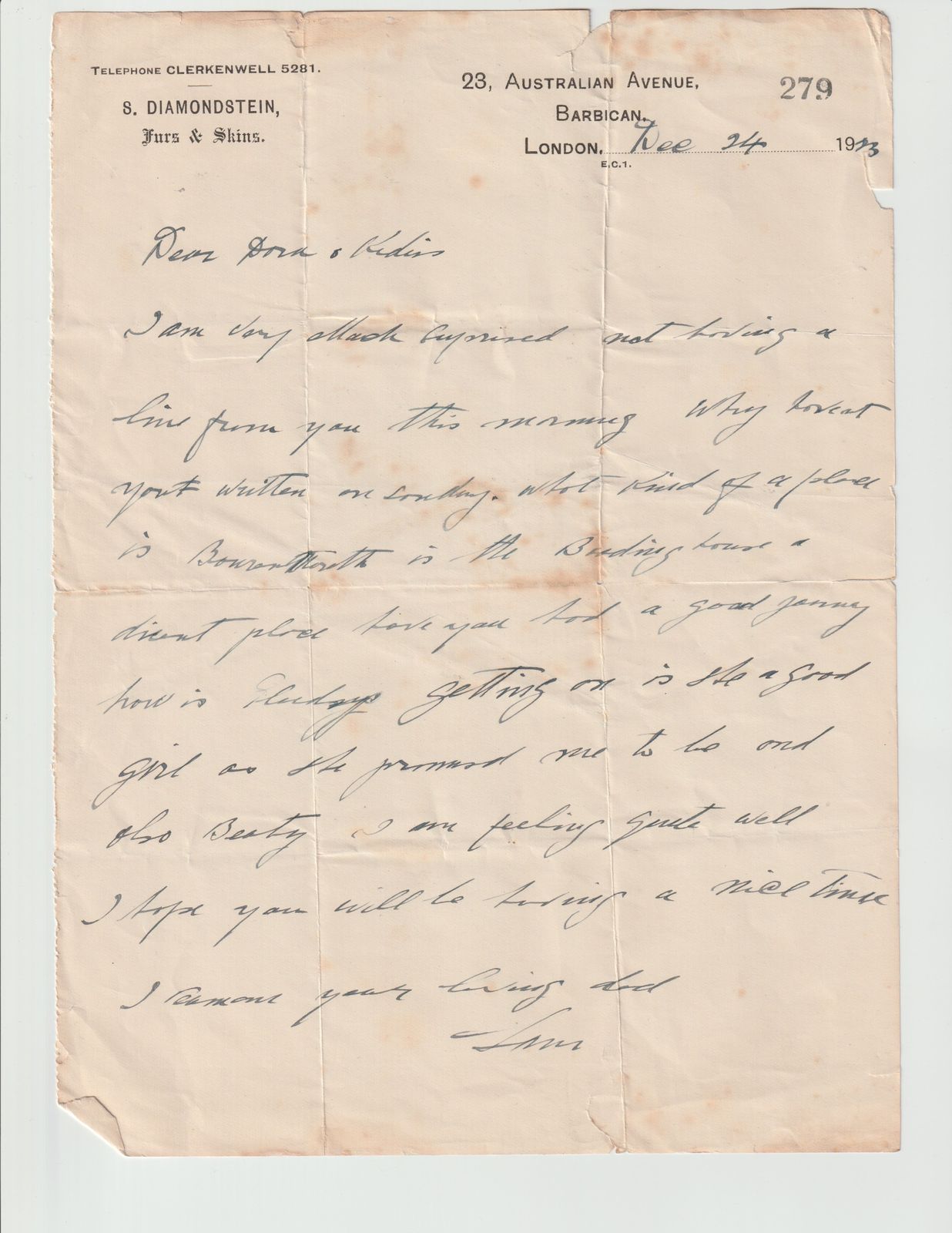 23 Australian Avenue, Barbican · Dec 1923S. DIAMONDSTEIN, Furs & SkinsA new address and a shorter trade name, "Furs & Skins" in place of "Fur & Skin Dealer."
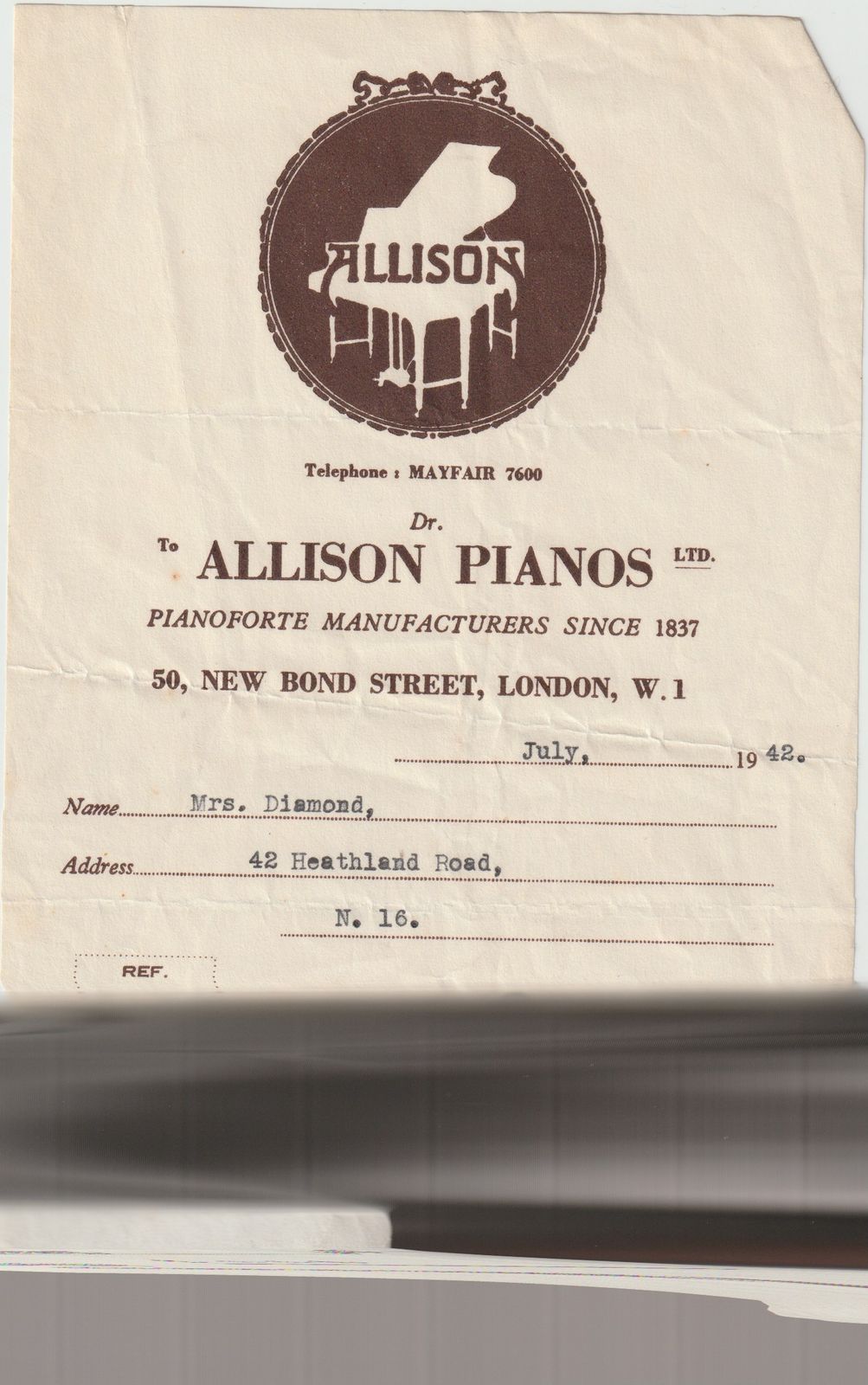 42 Heathland Road, London · July 1942Mrs. DiamondNot Sam's own letterhead, a piano-shop invoice addressed to Dora, the surname already shortened to "Diamond" by someone outside the family.
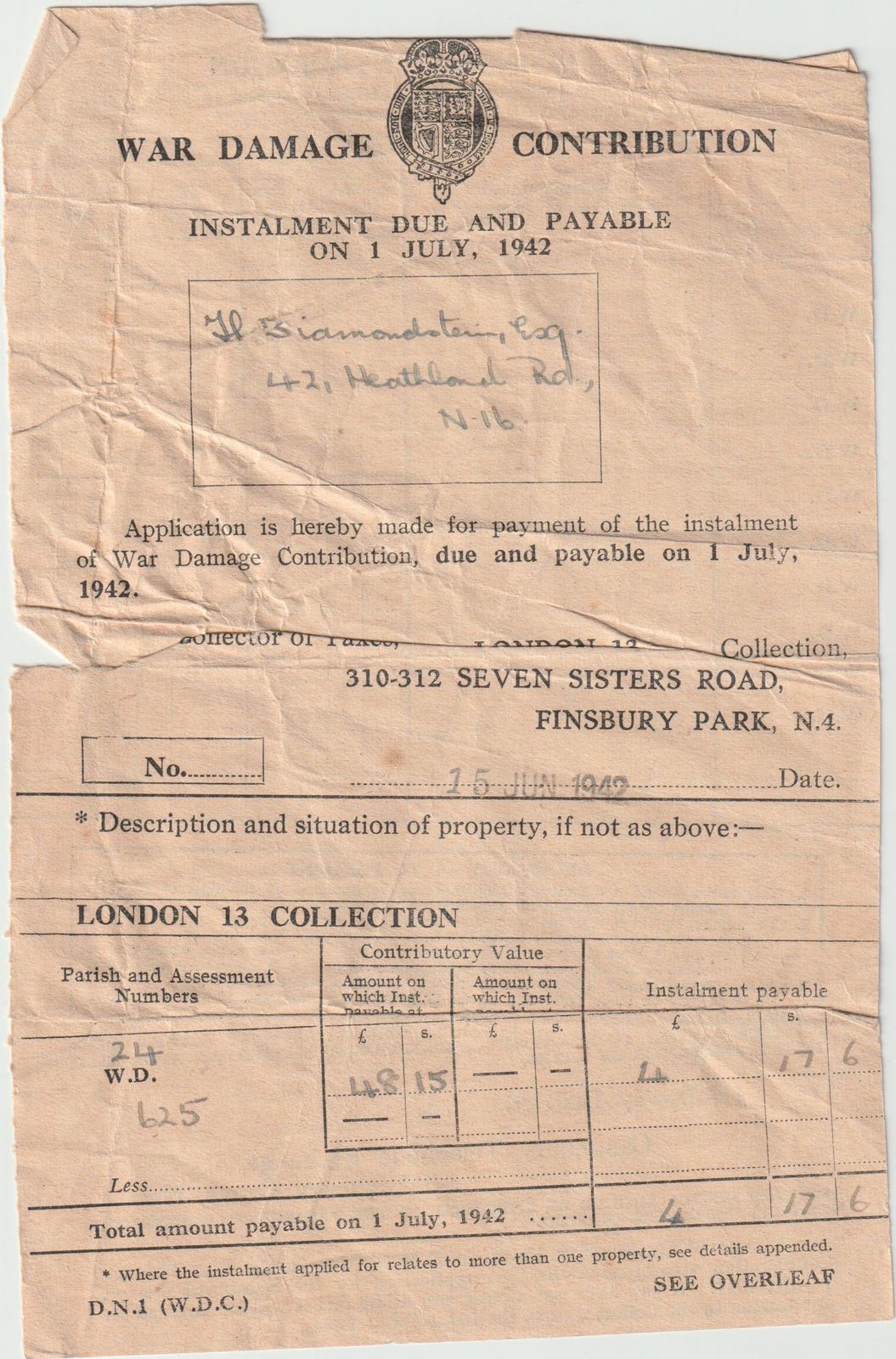 42 Heathland Road, London · June 1942H. Diamondstein, Esq.The same week, a tax office notice to the same address still uses the fuller "Diamondstein," both forms in circulation at once.
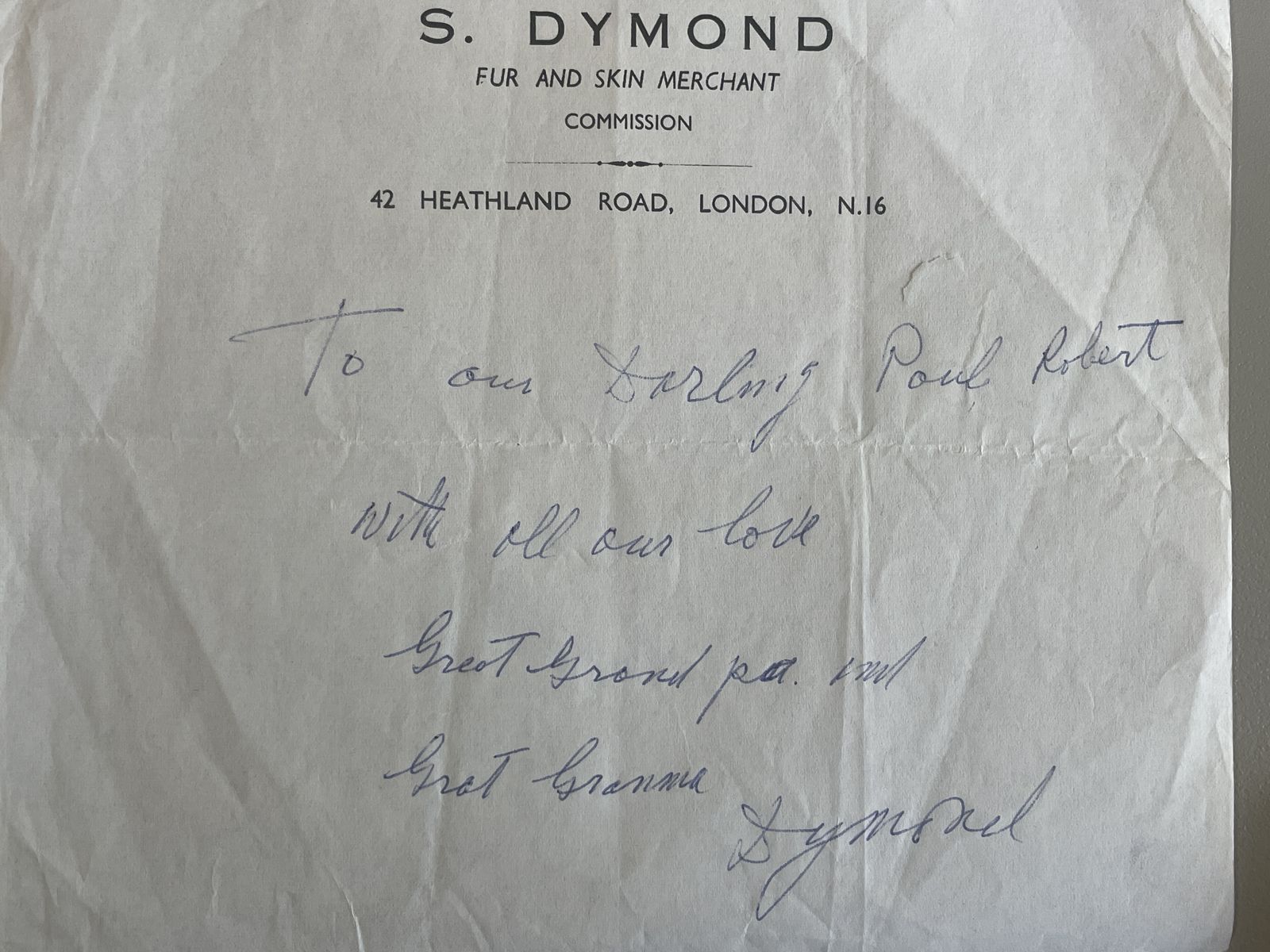 42 Heathland Road, London · undatedS. DYMOND, Fur and Skin MerchantThe name's furthest point of anglicization, on Sam's own printed letterhead, in a note signed to his infant great-grandson: "Great Grandpa and Great Granma Dymond."25 Fournier Street, London37 Fashion Street, Brick Lane37 Fashion Street, Brick Lane23 Australian Avenue, Barbican42 Heathland Road, London42 Heathland Road, London42 Heathland Road, London
Not every branch of the family anglicized the sound of the name the same way, one branch translated its meaning instead. Yehuda-Leib, Dora's brother, emigrated to Jerusalem and died there in 1929, wounded during the Arab attacks on the Diskin Orphanage that were part of that year's Palestine riots. His son Avraham later adopted the surname “Yahalomi”, Hebrew for diamond, a direct translation of the same root rather than a softened English spelling of it. Two branches of one family, a generation apart, each solving the same problem, a foreign-sounding surname, in a new country, completely differently, depending on which country each one actually landed in: England sanded the sound down (Diamondstein to Diamond to Dymond), while Palestine translated the meaning instead. Same root word, two different assimilations, shaped entirely by geography.
The Journey of the Letters (1960s onward)
None of this, not one letter, not one photograph, not one name change, would be sitting in front of a reader today by anything like a straight line. Robin, Gladys's own son, took a folder of these letters sometime in the 1960s, while living for a time with Sam and Dora themselves. In the 1990s he sent them on to Richard, Paul's brother, who was researching the family tree at the time and had asked relatives for whatever they had. Richard died in 1999. Paul found the letters years later, still sitting in his late brother's own files, and that, a three-generation chain — one relative's keeping, a second relative's unfinished genealogy project, and a third relative's own storage, rediscovered years after inheriting it, is the entire reason any of this survived to become a project at all. The letters were never lost so much as quietly handed forward — twice actively, and then, after a gap of years following Richard's death, rediscovered rather than passed on — by people who each had their own separate reason for holding onto them a little longer.
That's the whole of it, every date, every letter, and every honest guess this project could make from what actually survives. Where the record runs out, this account says so plainly, rather than filling in the rest by invention.
Thank you for reading.