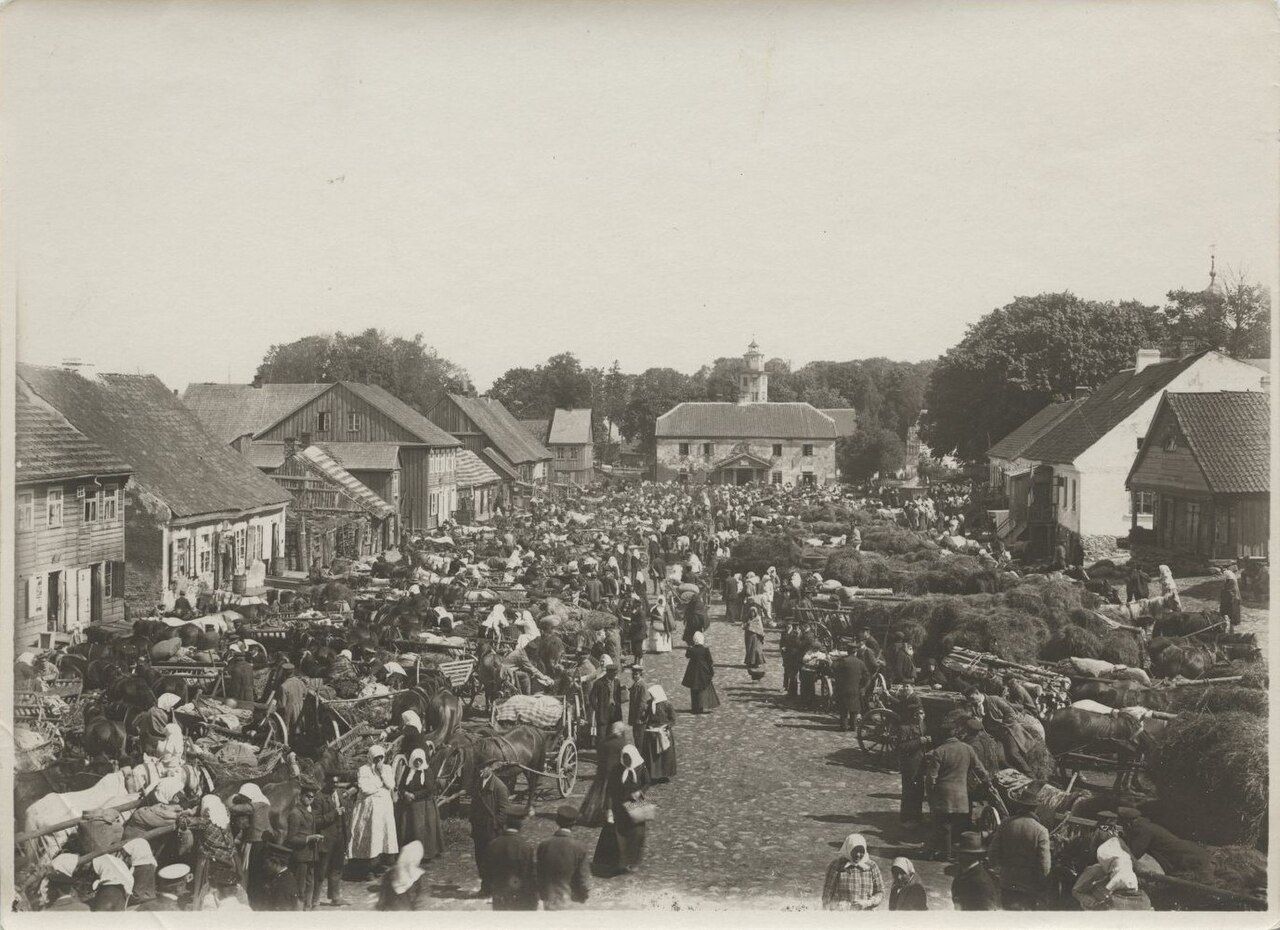


A Family Archive, 1901–1926
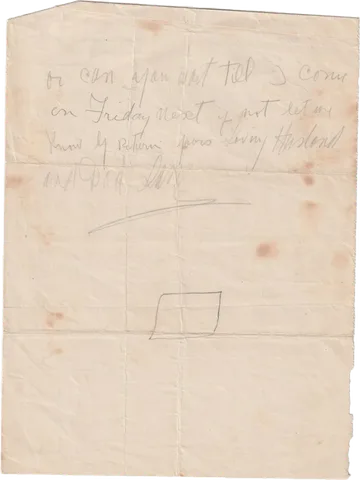
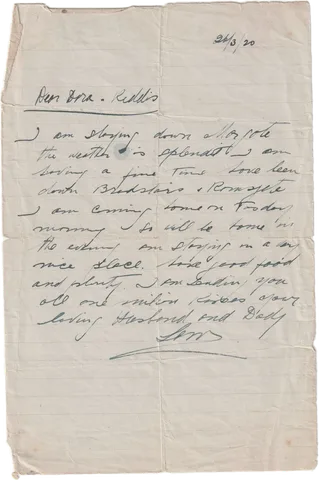
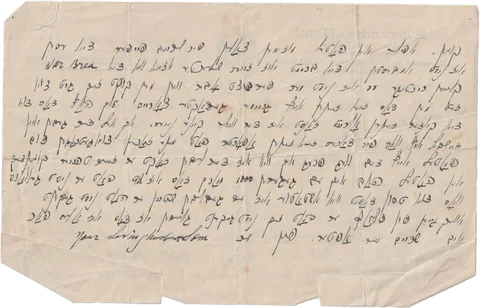
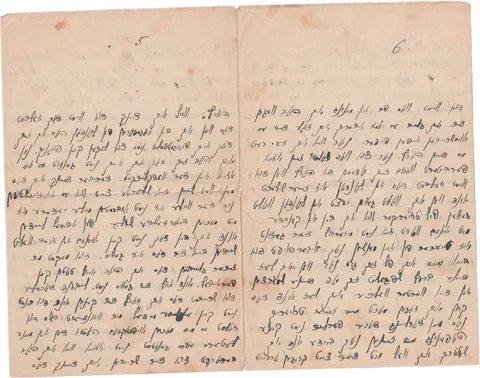
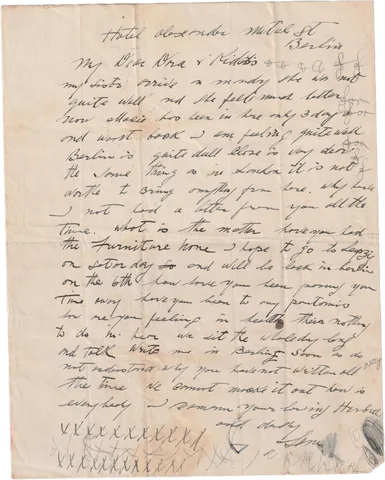
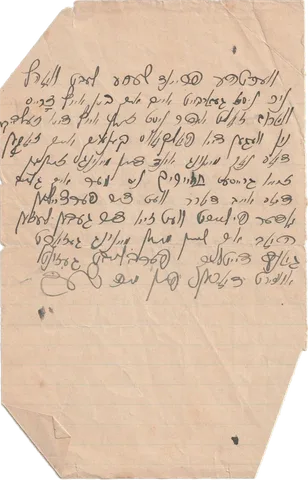
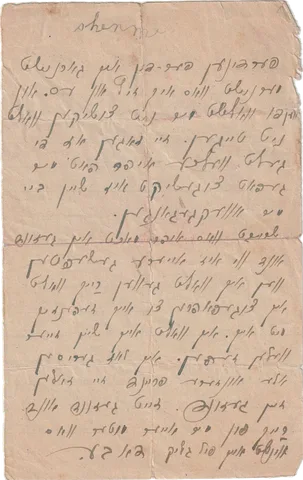
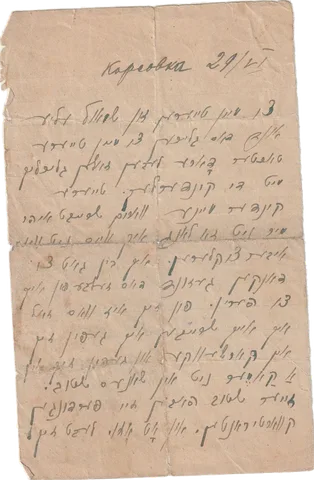
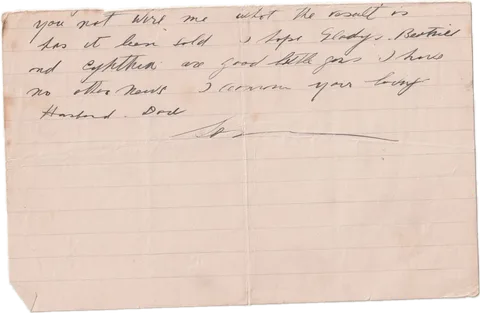
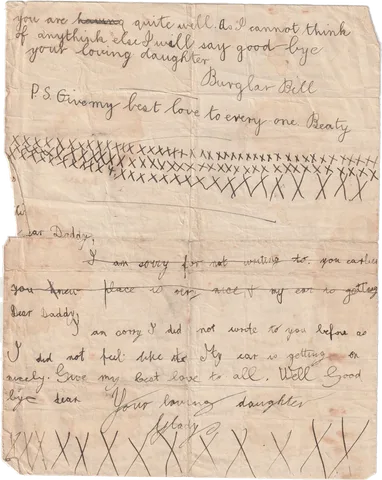
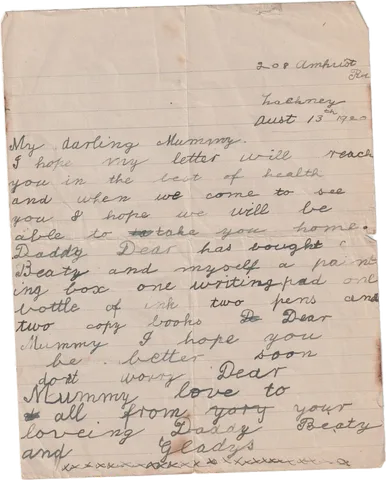
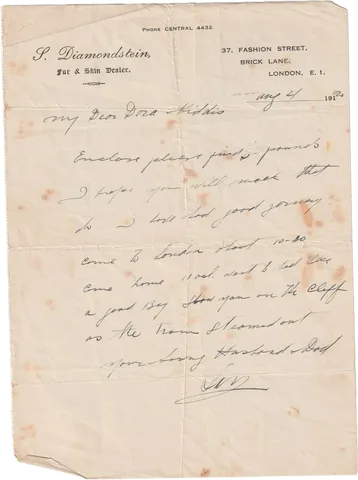
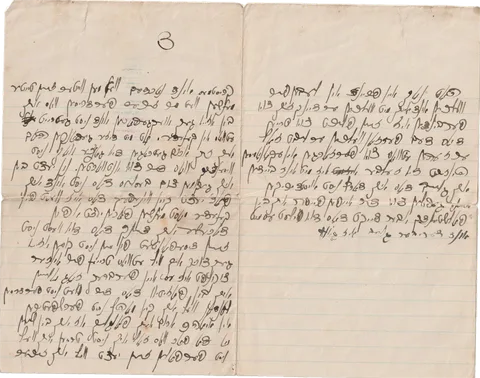
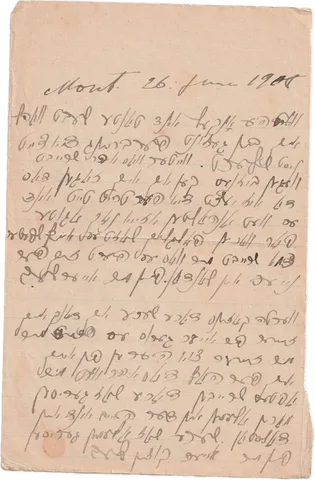
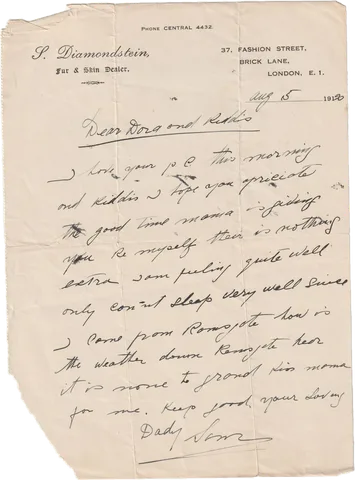
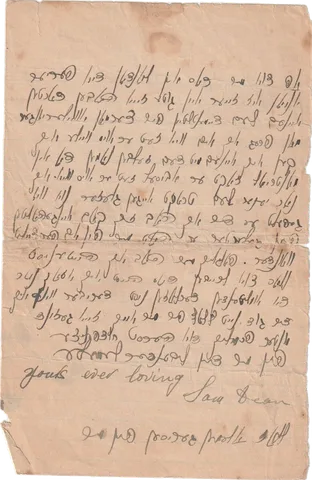
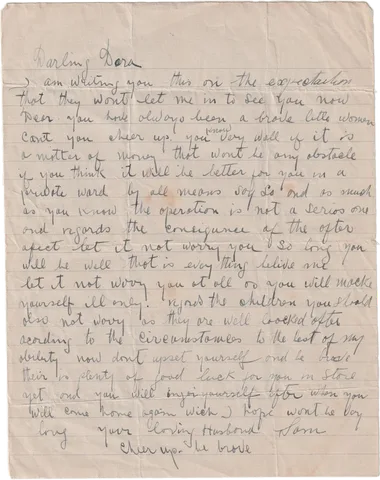
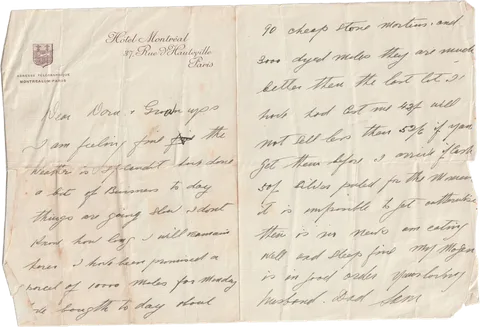
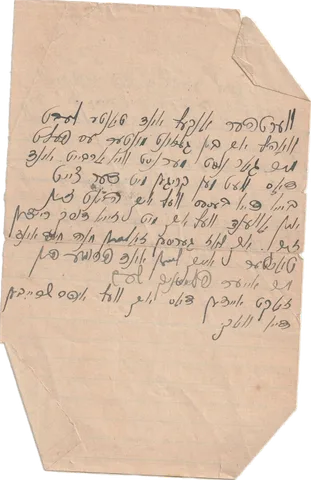
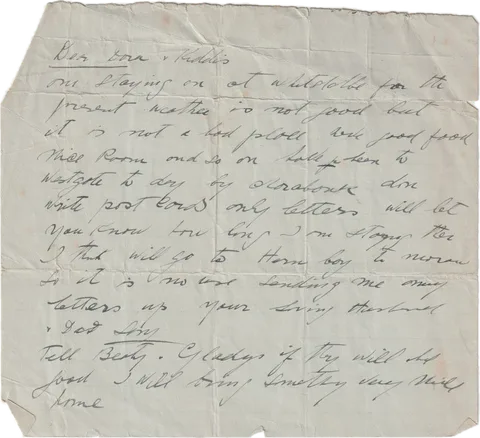
A box of over 100 letters was found in storage in Vancouver.
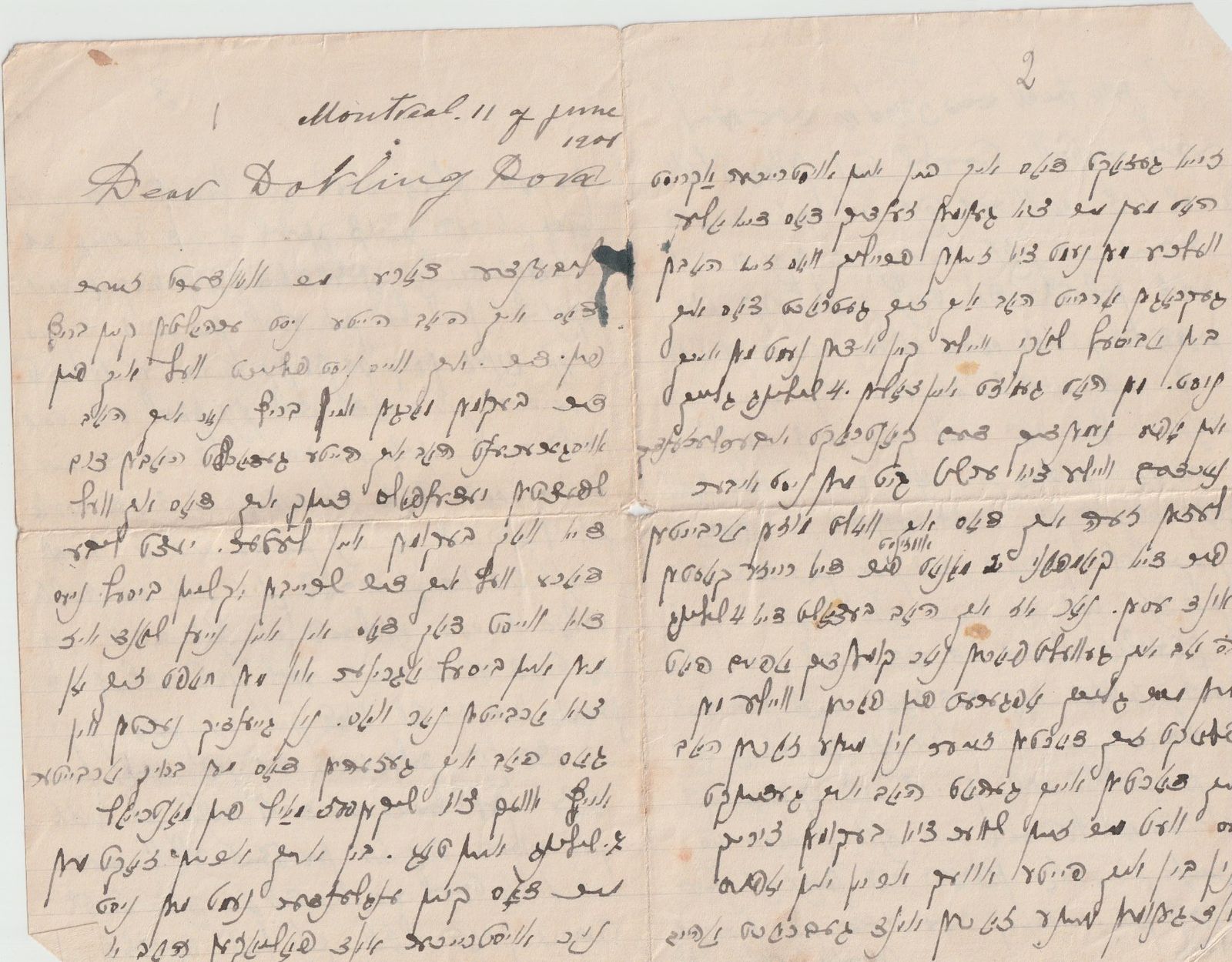
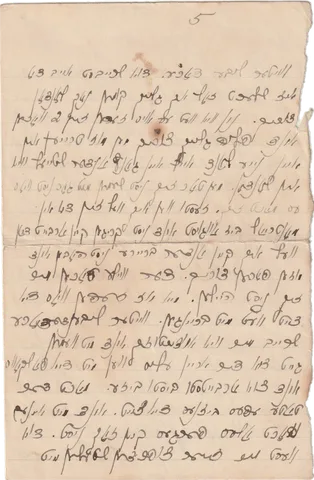
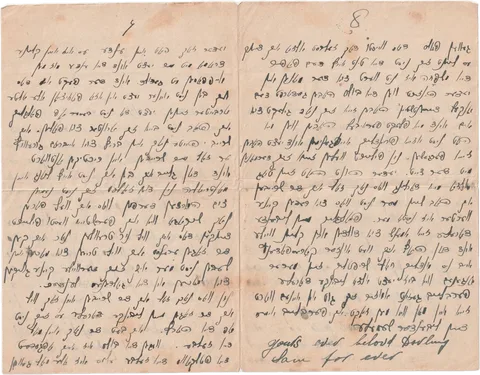
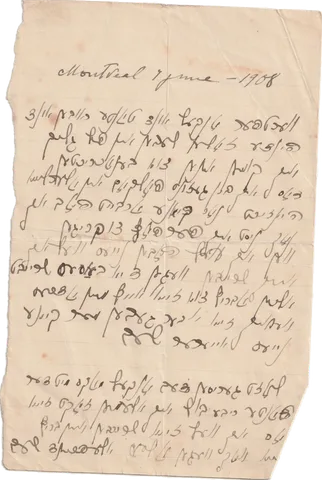
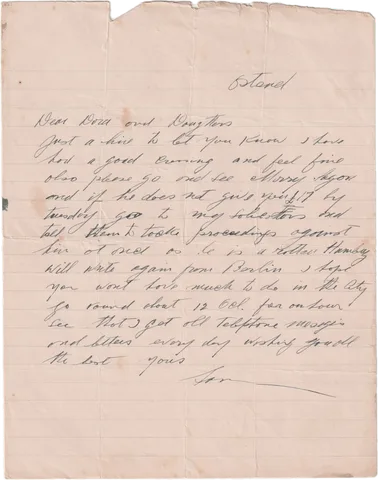
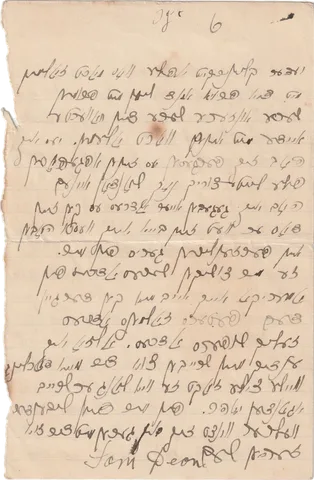
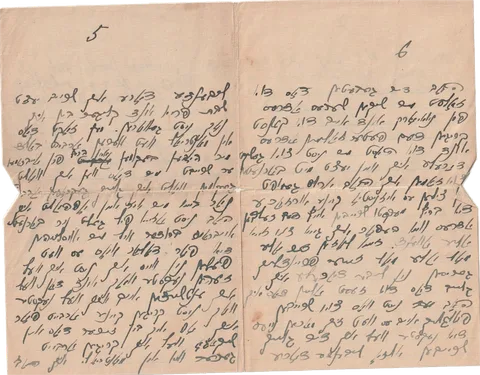
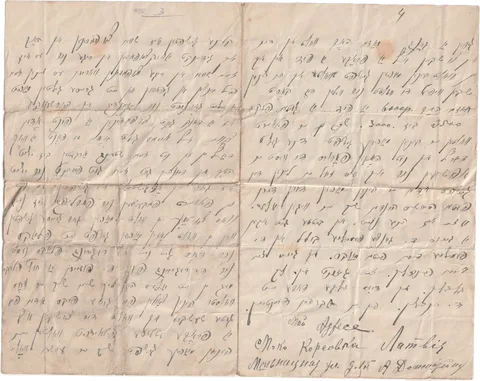
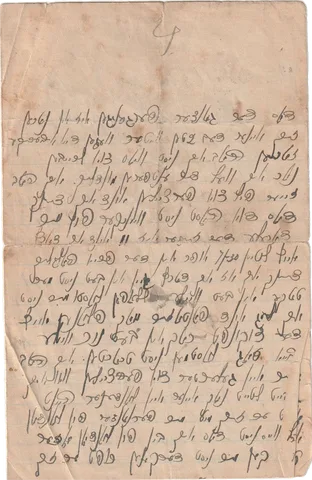
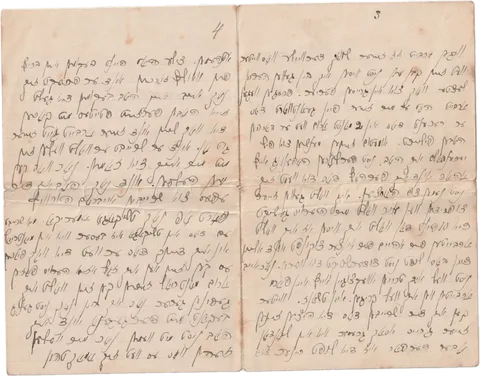
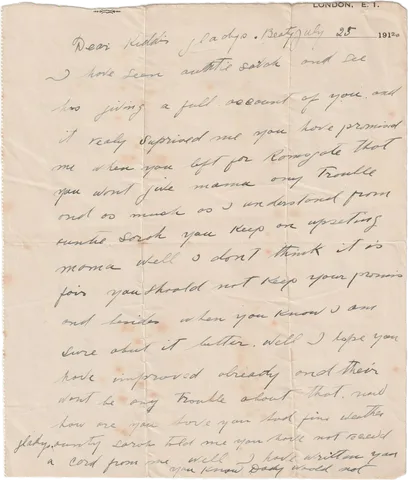
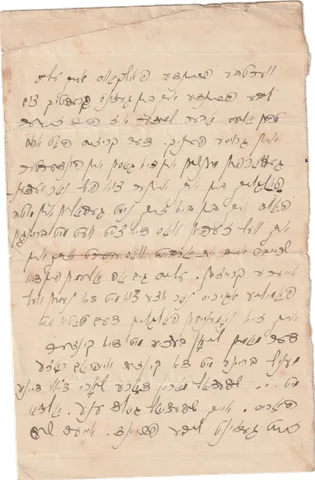
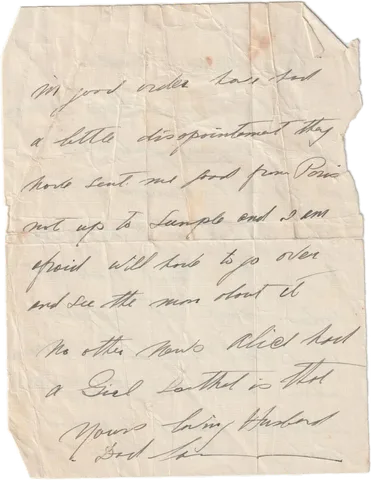
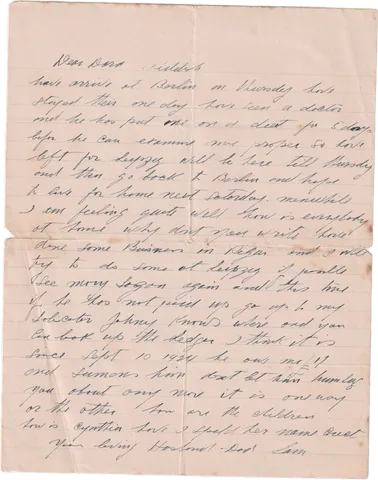
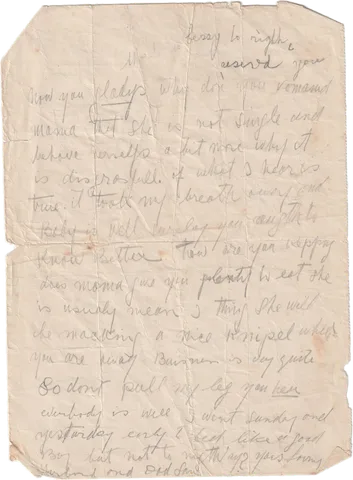
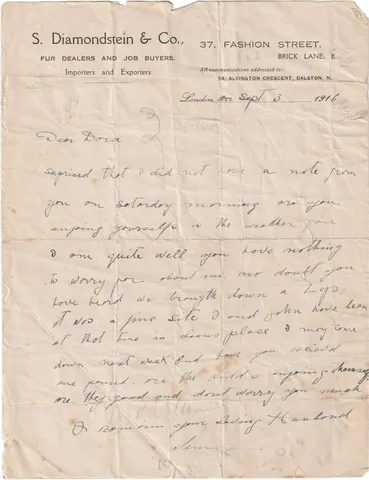
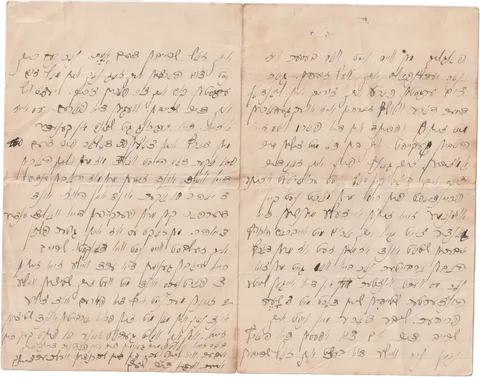
Half in English cursive. Half in Yiddish — that no one left in the family could read.
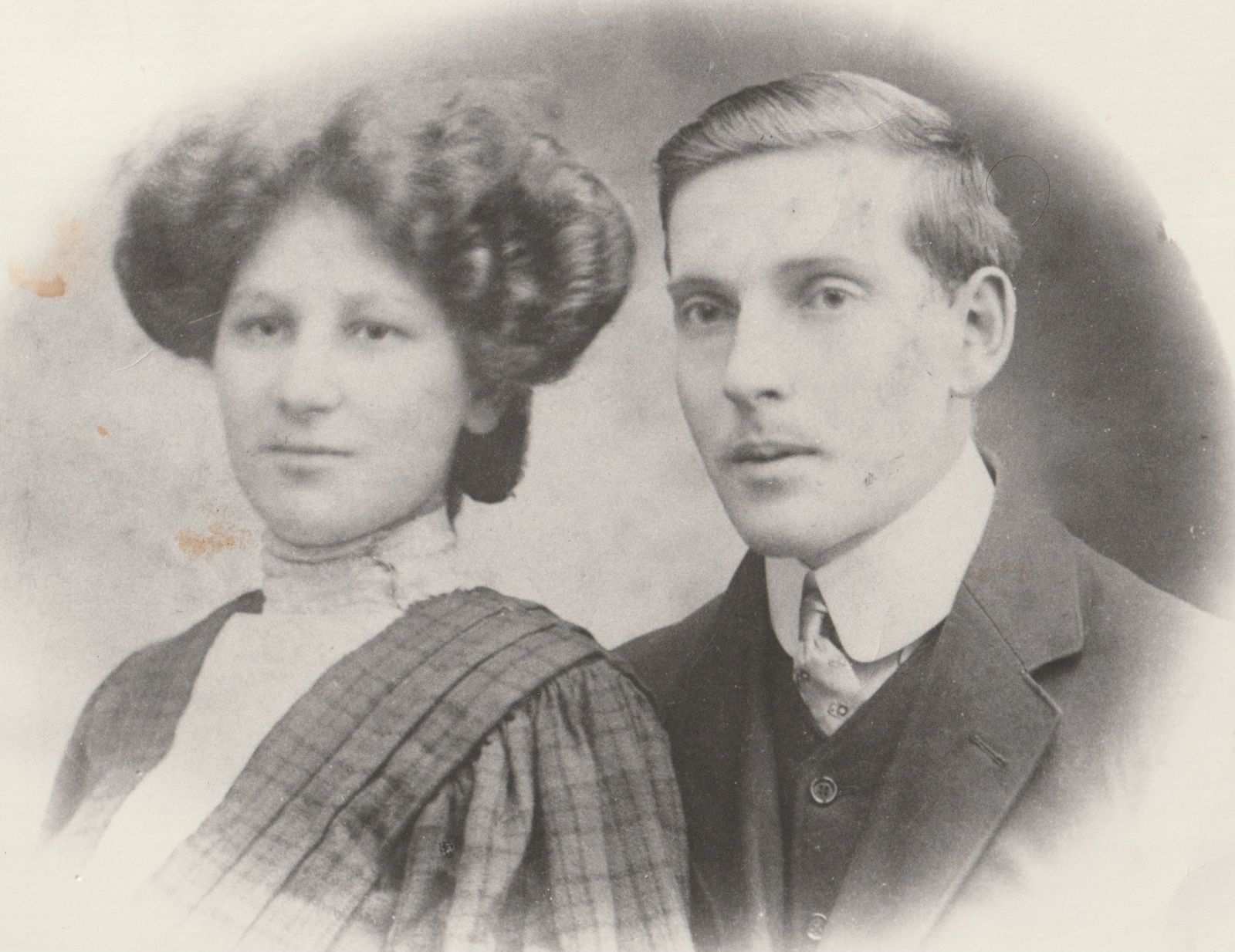
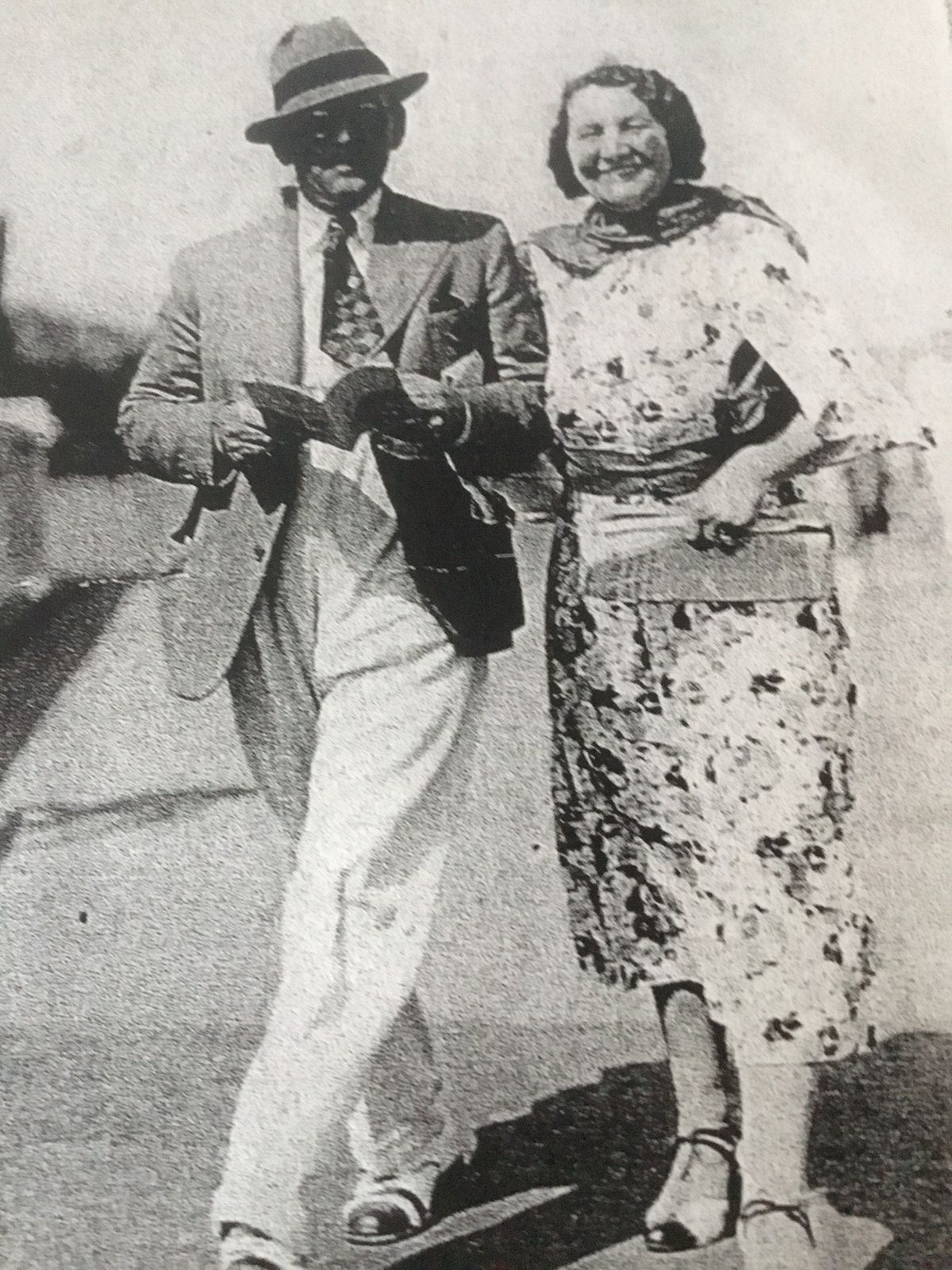
They turned out to be Sam and Dora Diamondstein’s — great-grandparents of one of this site’s creators, writing to each other in the early 1900s.
AI translated and transcribed every one, then helped rebuild the story from family trees, research, and memory.
This web site is what resulted — a real experiment in using AI to do genealogical research honestly.

This project is two things at once: the recovered story of Sam and Dora Diamondstein, and a real, honest test of whether AI tools can be trusted to help with family history research at all. This whole site is built from a real family archive — letters, photographs, and testimony — with AI doing the reading, translating, and connecting at a scale no one could do by hand. Every claim traces back to something real, reviewed and checked by a human before it went on the page.
Read more about how this site was madeThis site is built from a specific period of family history, 1901–1926, from letters exchanged between Sam and Dora Diamondstein. You can browse and search through individual letters, read the recovered story that emerged from the correspondence, and find out more about the technology that we used to make this.
Choose how you'd like to explore.
CBC's On the Coast and Radio West interviewed Paul Levine about the discovery of the letters, the use of AI to transcribe and translate them, and the remarkable story they revealed about his great-grandparents, Sam and Dora Diamondstein.
The conversations also explore the opportunities—and the pitfalls—of using AI to unlock family archives.